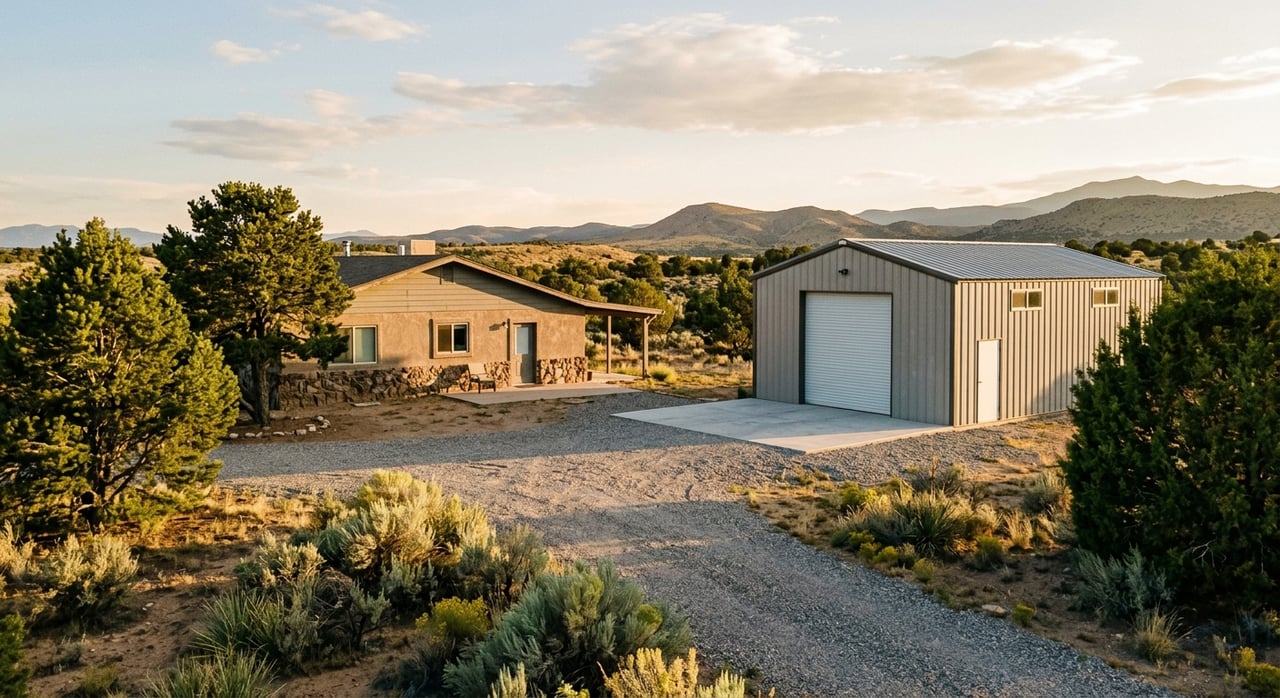
If you are dreaming about more elbow room, Silver Springs may look like an easy yes. But acreage living here is not just about a bigger lot. It is about understanding how land, zoning, water, septic, access, and day-to-day upkeep all shape your experience. If you want the real picture before you buy, this guide will walk you through what acreage living in Silver Springs actually looks like. Let’s dive in.
Why Silver Springs Feels Rural
Silver Springs is built for space. According to the U.S. Census QuickFacts for Silver Springs CDP, the community has 5,629 residents across 71.63 square miles of land, with a population density of 78.6 people per square mile.
Those numbers matter because they help explain why acreage is not unusual here. In Silver Springs, larger parcels are part of the local housing pattern, not a niche product on the edge of town.
Location also shapes the lifestyle. The Nevada Department of Conservation and Natural Resources notes that Silver Springs sits about 36 miles east of Carson City along U.S. 50, in western Lyon County near U.S. 50 and 95A. That puts you in a rural setting with regional connections, but not in a dense suburban environment.
What Acreage Living Really Means
Acreage living usually comes with more flexibility, but also more responsibility. You may have room for outbuildings, parking, animals, storage, and wider separation from neighboring homes. At the same time, you may also be managing systems and property features that a typical in-town lot does not have.
That is especially true in Silver Springs. Here, buying acreage often means you need to think beyond the house itself and evaluate the land as a working part of the property.
Zoning Shapes What You Can Do
Before you fall in love with a parcel, check the zoning. Lyon County includes rural residential zoning districts with minimum lot sizes of 20, 10, 5, 2, and 1 acre. For example, the RR-20 district is intended for single-family detached homes on parcels with a minimum lot size of 20 acres.
That tells you something important. Two properties in Silver Springs may both be called “acreage,” but they may not offer the same options for animals, buildings, setbacks, or future use.
Animals May Be Allowed
If you are hoping for horses, chickens, or a small hobby setup, there is good news. In Lyon County rural residential and suburban residential districts, barnyard animals are allowed on parcels of at least one gross acre, subject to standards tied to animal welfare, environmental impact, and neighbor impact under the county development code.
That said, acreage and zoning still control what is possible. The safest move is to confirm the specific parcel rules before assuming your planned use is allowed.
Shops, Barns, and Sheds Are Common
Many acreage buyers want extra utility as much as extra space. You may be looking for a shop, barn, covered storage, or detached workspace. Silver Springs properties can often support those features, but county rules still apply.
Under Lyon County standards, accessory buildings on lots under 2 acres cannot exceed 30% of the lot area. On lots 5 acres or larger, accessory buildings may be located at least 100 feet from a road. The county code also notes that smaller detached sheds under 200 square feet that do not include electrical, mechanical, or plumbing work generally do not require a building permit, while larger or serviced structures usually do.
The practical takeaway is simple. If a shop or barn is part of your plan, parcel size and zoning matter just as much as the house.
Water Is a Major Due-Diligence Item
Water is one of the biggest questions on any rural purchase. In Silver Springs, some properties may be connected to a community system, while others may rely on a private domestic well.
Silver Springs is served by the Silver Springs Mutual Water Company, a community water system. But that does not mean every parcel has the same service setup, especially on larger or more rural properties.
If a property uses a domestic well, Nevada has clear rules. The state explains in its Domestic Wells FAQ that domestic wells are exempt from the state water-right permitting process, but use is limited to a single-family dwelling, household use, a family garden or lawn, and watering livestock or domestic animals, with a cap of 2 acre-feet per year.
The same state guidance also says a domestic well must be drilled by a licensed well driller, and a domestic well generally cannot be drilled if the parcel can be physically and legally supplied by a public water system. That is why buyers should not assume they can simply add a well later without checking the facts first.
Questions to Ask About Water
When you are considering acreage in Silver Springs, ask:
- Is the property on community water or a domestic well?
- If it has a well, how old is it?
- What is the well depth and pumping history?
- Is the parcel within a community water service area?
- Are there any known limits that affect future use?
These questions can save you from expensive surprises later.
Sewer and Septic Matter Too
Wastewater is the second major infrastructure issue. According to the Silver Springs Mutual Water Company, Lyon County provides sewer service for Silver Springs GID. That means some homes may be on sewer, while others may depend on an onsite system.
For parcels that are not connected to sewer, Nevada regulates onsite sewage disposal systems through the Nevada Division of Environmental Protection. State rules require onsite sewage disposal system designs to be prepared by a Nevada-licensed professional engineer.
This is where rural buying gets more hands-on. If a property is on septic, you will want to verify the system type, condition, approval history, and whether any future expansion plans could affect it.
Daily Life Includes More Self-Management
The appeal of acreage is real. You get breathing room, open skies, and more ways to use your property. But daily life often includes more owner-managed decisions than you would see on a standard suburban lot.
That can mean maintaining a longer driveway, planning for outbuildings, checking utility setup, and staying ahead of land upkeep. For many buyers, that tradeoff is worth it. The key is knowing what you are signing up for.
Services Are Available, But Spread Out
Silver Springs does have public support and local services, but they are not concentrated in a dense town-center format. Lyon County lists a senior center, sheriff’s substation, human services office, road yard, and the Silver Stage Branch Library, which offers public computers, printers, fax, and free Wi-Fi.
That setup fits the character of the area. You have access to important services, but acreage living still works best if you are comfortable with some driving and a more self-sufficient routine.
Transportation options also reflect that pattern. Lyon County Transportation offers scheduled rides from Silver Springs to Reno on Monday, Wednesday, and Friday, to Carson City on Tuesday and Thursday, and to local appointments on Friday, with medical transportation given priority.
Fire Safety and Access Are Part of the Deal
If you buy acreage, fire safety should be part of your planning from day one. Silver Springs is served by the Central Lyon County Fire Protection District, which emphasizes defensible space for homes in wildland-urban-interface areas.
The district recommends clearing vegetation, keeping your address visible, and providing a fire-truck turnaround if a driveway is longer than 150 feet. Those are not just nice extras. On rural property, they can affect both safety and usability.
What Smart Buyers Check First
When you shop for acreage in Silver Springs, focus on the property basics before the cosmetic details. A nice house on the wrong setup can become a much bigger project than expected.
Start with these questions:
- Is the parcel zoned for the use you want?
- Is the property on community water or a domestic well?
- Is it connected to sewer or using septic?
- Are your plans for a barn, shop, or shed allowed?
- Does the property appear set up for defensible space and emergency access?
These are the filters that usually matter most on a rural purchase.
Silver Springs Acreage Can Be a Great Fit
For the right buyer, Silver Springs offers a lifestyle that is hard to duplicate on a smaller lot. You may have room for animals, equipment, storage, outdoor projects, and a little more privacy. You may also find the kind of flexibility that makes rural property feel worth the extra work.
The key is to go in with a clear picture. Acreage living here is not automatically simple, but it can be very rewarding when the parcel, infrastructure, and zoning match your goals.
If you are thinking about buying or selling acreage in Silver Springs, working with a local team can help you sort through the details that matter most. Connect with Faught Group for practical guidance on rural properties, local market insight, and next steps that fit your goals.
FAQs
Can you keep horses or chickens on acreage in Silver Springs?
- Usually yes on qualifying rural residential parcels of at least one gross acre, but zoning and parcel-specific rules still determine what is allowed.
Do Silver Springs acreage properties always need a well and septic system?
- No. Some parcels may be connected to community water and sewer, while others may rely on a domestic well and onsite wastewater system.
Can you build a shop or barn on acreage in Silver Springs?
- Often yes, but setbacks, size limits, permit requirements, and zoning rules all need to be confirmed for the specific parcel.
Is Silver Springs still considered rural even with local services nearby?
- Yes. The area has public services and transportation options, but they are spread out and the overall setting remains low-density and rural.
What should buyers verify before purchasing acreage in Silver Springs?
- Buyers should confirm zoning, water source, sewer or septic status, outbuilding rules, and whether the property is set up for defensible space and emergency access.