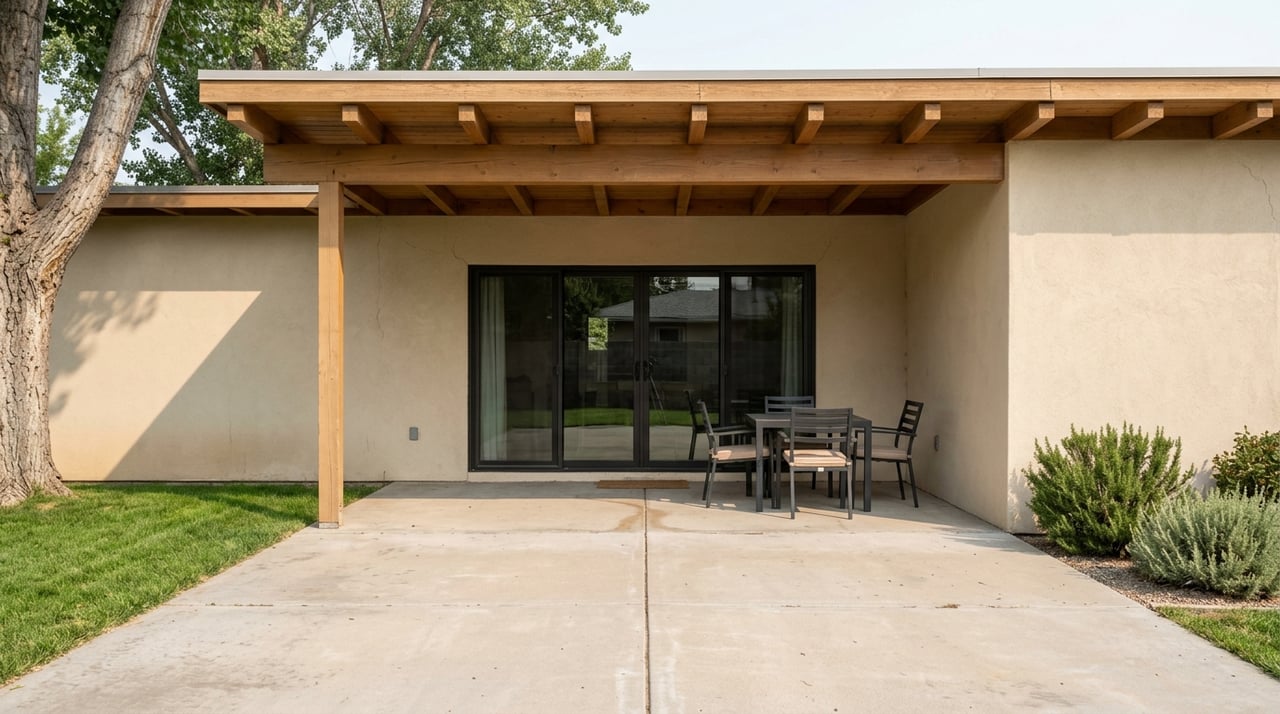
If you are getting ready to sell, one question matters more than almost anything else: what is your Fallon home actually worth right now? It is easy to grab an online estimate and hope it is close, but in a market like Fallon, pricing is often more nuanced than a single number on a screen. When you understand what really drives value before you list, you can price with more confidence, avoid costly surprises, and set your sale up for a smoother path. Let’s dive in.
Fallon Market Snapshot
Before you list, it helps to understand the broader pricing backdrop in Fallon. As of March 2026, Redfin’s Fallon housing market data reported a median sale price of $400,000, a median sale price per square foot of $249, 17 homes sold, and a median of 44 days on market.
At the same time, Realtor.com’s Fallon market page reported 165 homes for sale in February 2026, a median list price of $430,000, a median of 46 days on market, and a 100% sale-to-list ratio. Realtor.com also described Fallon as a buyer’s market and noted that homes sold for about the asking price on average.
Because these platforms use different methods and timeframes, the numbers do not match exactly. Still, the practical takeaway is clear: Fallon pricing is generally landing in the high-$300,000s to low-$400,000s, and planning for about six weeks on market is a reasonable starting point.
What Determines Home Value
Your home value is not based on guesswork. In most cases, it comes down to how your property compares to other homes that have recently sold nearby.
According to Fannie Mae’s guidance on comparable sales, the most useful comps should have similar physical and legal characteristics. That includes things like site size, room count, finished living area, style, and condition, and they should come from the same market area whenever possible.
Fannie Mae also notes that the sales comparison approach normally includes at least three closed comparable sales. In plain terms, buyers, appraisers, and agents are all looking for evidence of what people have recently paid for homes that are as close to yours as possible.
That is why your value is usually driven less by a generic online estimate and more by recent nearby sales, current competition, lot characteristics, and overall property condition. In Fallon, where lot sizes and property types can vary a lot, those details matter even more.
Why Fallon Properties Need Local Analysis
Fallon is not a one-size-fits-all market. Two homes with similar square footage can have very different value depending on land, improvements, access, and property type.
Churchill County’s real property information explains that land and improvements are valued separately for tax purposes. The county also revalues property annually, and a sale or purchase does not automatically trigger reassessment.
The county’s 2025-2026 secured assessment posting says taxable value cannot exceed a property’s most probable sale price in a competitive market. It also explains that land value is based on similar vacant land sales, while buildings are priced using replacement cost new less depreciation.
That tax framework is helpful context, but it is not the same thing as market value for listing. A buyer deciding what to pay for your property will usually focus more on recent comparable sales, current inventory, and the features that make your home more or less competitive.
Acreage Can Change the Equation
If your property includes larger land area, pricing may require even closer analysis. The Nevada Department of Taxation ratio study noted that Churchill County uses multiple methods for large vacant rural parcels, including multi-parcel sales, historical values, and limited single sales.
The same report says the county is building land inventory adjustments tied to factors like topography, accessibility, water rights, and economies of scale. For sellers, that means not all acreage carries the same market appeal or value.
This is one reason a rural Fallon property should not be priced the same way as a standard in-town home. The site itself may be a major part of the value story.
Agricultural Classification Matters
If your property includes agricultural land, there may be another layer to consider. According to Churchill County’s agricultural land classification page, agricultural values are based on Nevada agriculture market survey data, and parcels generally must be 20 acres or larger and produce at least $5,000 of gross agricultural income to qualify.
That means not every acreage property is treated the same way. If your parcel has features or classification issues that make it different from a typical residential lot, those details should be reviewed carefully before setting a list price.
Condition and Improvements Matter
Home value is not just about square footage and lot size. Condition, quality, and documented improvements can also move your price up or down.
Fannie Mae explains that an appraisal is an independent assessment based on the home’s condition and characteristics, location, and market trends. It also states that condition and quality are evaluated on an absolute basis, not simply in comparison with neighboring homes.
That matters in Fallon, especially if you have added value over time. The Nevada Department of Taxation report says Churchill County physically inspects one-fifth of the county each year to capture improvements added without a permit, such as additions, remodels, shops, barns, fencing, roofs, and other yard improvements.
Before you list, it helps to gather clear records for updates and additions, including:
- Roof replacement
- HVAC upgrades
- Kitchen or bath remodels
- New flooring or windows
- Added shops, barns, or outbuildings
- Fencing and exterior improvements
- Permitted additions or enclosed spaces
If those upgrades are documented well, they are easier to factor into your pricing discussion.
Why Online Estimates Miss the Mark
Online value tools can be a useful starting point, but they should not be your final pricing strategy. In a market with fewer direct comps or more property variation, automated estimates can be less reliable.
Zillow’s Zestimate page states that the Zestimate is an automated valuation model, not an appraisal. Zillow also explains that accuracy depends on available data and that estimates may be missing or less reliable for new, unique, or hard-to-compare properties, or in areas with limited recent sales.
Zillow also notes that its model can use a geographic area as large as a county and may display multiple estimates when a property includes multiple parcels unless county records are updated. For Fallon sellers with rural land or unusual property setups, that limitation is important.
The Consumer Financial Protection Bureau has also warned that automated valuation models can be susceptible to bias and inaccuracy without proper safeguards. In short, an online estimate can give you a rough range, but it should not be the only number you trust before listing.
The Best Way to Price Before You List
If you want the clearest picture of your Fallon home value, the best next step is a local comparative market analysis, often called a CMA. This goes beyond an algorithm and looks at the details that buyers in your market actually respond to.
A strong pre-listing CMA should weigh:
- Recent closed sales
- Similar active listings competing with your home
- Days on market trends
- Condition and quality of finishes
- Lot size and acreage details
- Outbuildings and site improvements
- Property access and layout
- Any documented updates or permits
Fannie Mae says that when a property is unique or the market is thin, the appraiser should use the best available indicators and apply market-supported adjustments. That same idea applies when preparing a smart listing strategy in Fallon.
What Sellers Should Do Next
Before you put your home on the market, take a few simple steps to improve pricing accuracy:
- Review your property details for accuracy, including square footage, room count, parcel information, and improvements.
- Gather records for updates, remodels, permits, and major repairs.
- Look at current competition to understand what buyers will compare against.
- Treat online estimates as a starting point, not a final answer.
- Request a local CMA that reflects recent Fallon sales and your property’s specific features.
This kind of prep can help you avoid overpricing, which may lead to extra time on market, or underpricing, which may leave money behind.
Price With Confidence
When you understand your Fallon home value before you list, you put yourself in a stronger position from day one. You can make decisions based on current market data, realistic buyer behavior, and the details that truly affect your property’s appeal.
If you are thinking about selling and want a clearer picture of what your home could command in today’s market, the Faught Group can help you review recent sales, assess your property’s local competition, and build a pricing strategy that fits your goals.
FAQs
What is the average home value range in Fallon, NV right now?
- Recent market data suggests Fallon pricing is generally landing in the high-$300,000s to low-$400,000s, with median figures around $400,000 to $430,000 depending on the source and reporting period.
How is a Fallon home value determined before listing?
- A Fallon home value is typically estimated by comparing your property to recent nearby sales with similar size, style, condition, site characteristics, and legal features.
Are online home value estimates accurate for Fallon, NV properties?
- Online estimates can provide a rough starting point, but they may be less accurate for Fallon properties with acreage, multiple parcels, unique layouts, or limited nearby comparable sales.
Does acreage affect home value in Churchill County?
- Yes. Acreage can affect value based on factors like accessibility, topography, water rights, parcel setup, and how comparable the land is to other recent sales.
Do improvements increase a Fallon home’s market value?
- Improvements can influence value, especially when they are well documented and relevant to buyer demand, such as remodels, additions, roofs, shops, barns, fencing, and other site upgrades.
What is the best way to price a home before listing in Fallon, NV?
- The best approach is usually a local comparative market analysis that reviews recent sales, current competition, condition, acreage, and documented improvements specific to your property.