Selling your home in Reno can feel simple at first: clean up, put it on the market, and wait for an offer. In reality, most sales move through a series of steps where timing, pricing, paperwork, and presentation all matter. If you want a smoother path from prep to closing, this checklist will help you focus on what to do, when to do it, and where local details can affect your timeline. Let’s dive in.
Understand Reno market timing
Before you list, it helps to set realistic expectations. Recent market data points to a Reno market where sellers can still do well, but strong results usually depend on smart pricing and solid presentation.
According to Redfin’s Reno housing market data, Reno was somewhat competitive in February 2026, with a median sale price of $579,900, about two offers on average, and 74 median days on market. That does not mean every home takes that long, but it does mean you should prepare for a process rather than assume a one-week sale.
Another source described Reno as a balanced market during the same period, with a 99% sale-to-list ratio and 53 median days on market. The exact figures vary by source and timing, but the takeaway is the same: pricing, condition, and first impressions matter.
Start with pre-listing prep
The best selling plan usually starts before your home is ever photographed. That gives you time to make updates, organize paperwork, and avoid last-minute stress.
Declutter and deep clean
If buyers cannot easily picture themselves in your home, your listing may lose momentum early. The good news is that the most effective prep steps are often straightforward.
In the 2025 NAR staging survey, 91% of sellers’ agents recommended decluttering and 88% recommended cleaning the entire home. Those numbers support a simple first step: remove excess items, clear surfaces, and make each room feel open and easy to understand.
Focus on everyday distractions like overflowing closets, crowded counters, and bulky furniture that makes rooms feel smaller. A clean, simplified space tends to photograph better and show better in person.
Improve curb appeal
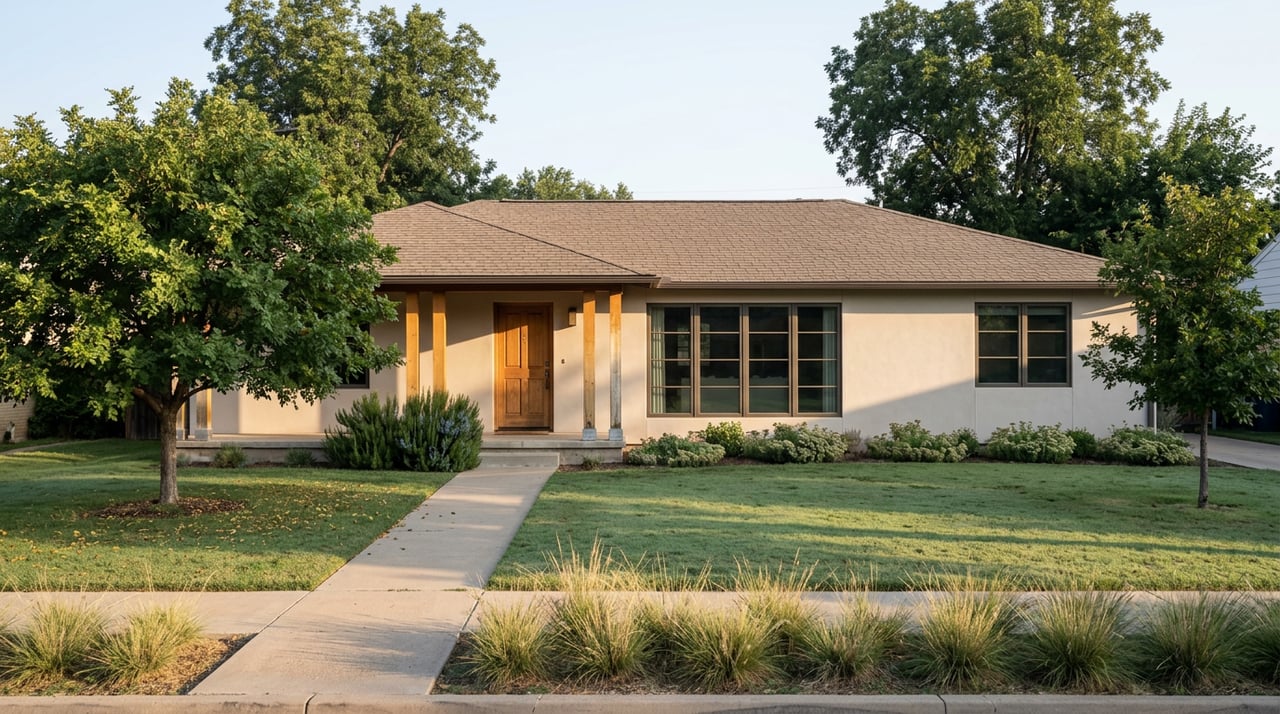
Your exterior sets the tone before a buyer walks in. NAR also found that 77% of sellers’ agents recommended improving curb appeal, which makes this one of the highest-impact items on your checklist.
That does not always mean a major project. It can be as simple as trimming landscaping, cleaning the front entry, touching up paint where needed, and making sure the yard looks maintained.
Stage the rooms that matter most
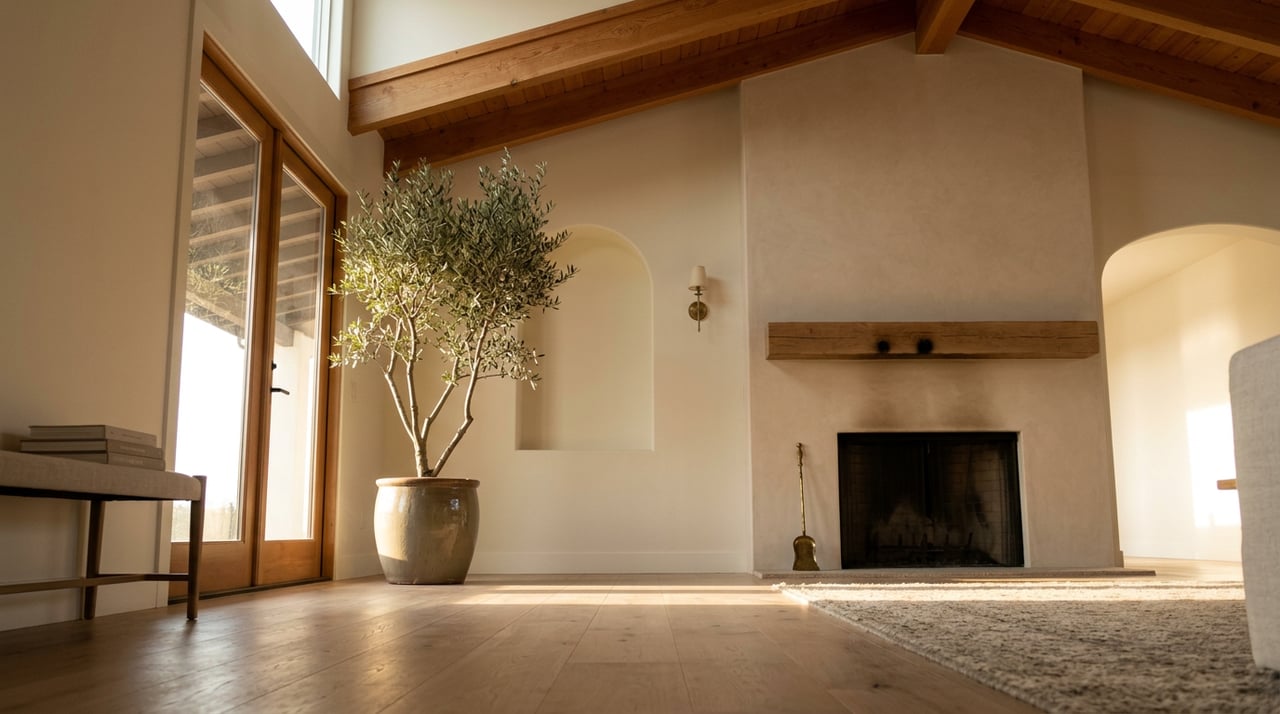
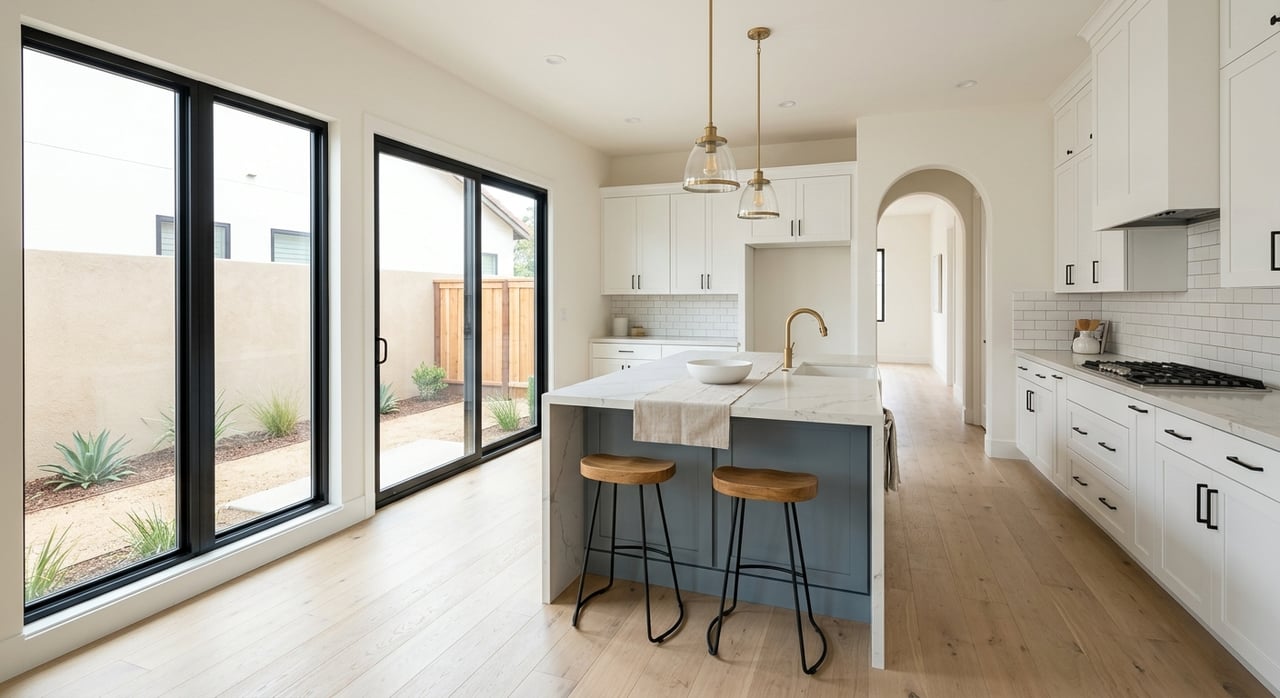
You do not need to stage every inch of your home to make a strong impression. According to NAR, the rooms most often staged are the living room, primary bedroom, and kitchen.
That is a useful guide when deciding where to spend your time and budget. If you are prioritizing, start with the spaces buyers tend to notice first and remember most.
Get disclosures ready early
Paperwork can slow down a sale if you wait too long. In Nevada, seller disclosures are an important part of the process, and the rules are specific.
Complete the Nevada disclosure form
Nevada’s Seller’s Real Property Disclosure Form requires sellers to disclose known conditions that materially affect the value or use of the home. The form is not a warranty, and it does not replace a buyer’s inspection.
The Nevada Real Estate Division guidance says the completed disclosure must be delivered at least 10 days before conveyance. It also says a seller’s agent may not complete the form for the seller, and buyers may not waive the disclosure requirement.
If you discover a new issue later, or if an existing issue gets worse, you must notify the buyer in writing as soon as practicable and before conveyance. That makes early review especially important.
Add lead-based paint disclosures if needed
If your home was built before 1978, federal law requires a lead-based paint disclosure before sale. You must also provide any available records or reports and share the EPA pamphlet.
In addition, buyers get a 10-day window for a paint inspection or risk assessment. If your home falls into this category, it is smart to prepare those materials early so they do not delay your contract timeline.
Request HOA documents early
If your property is part of an HOA or other common-interest community, build extra time into your checklist. Nevada law says the association generally has up to 10 calendar days to furnish the required resale package after written request, and the buyer generally has until midnight of the fifth calendar day after receipt to cancel without penalty.
Because of that timing, HOA sellers benefit from requesting documents early. Waiting until you are already under contract can create avoidable delays.
Prepare your listing launch
Once the house is ready, your launch plan matters. This is where prep turns into buyer attention.
Finish cleaning before photos
Professional visuals should happen after the home is fully cleaned, decluttered, and visually ready. NAR found that buyers’ agents rated photos as highly important, followed by videos and virtual tours.
That means your first photo session should not be treated like a rough draft. Your listing photos are often the first showing, and they help shape whether buyers decide to visit in person.
Use strong marketing assets
A solid Reno listing checklist should include:
- Professional photography
- Video if available
- Virtual tour if available
- A clear showing plan
- A pricing strategy based on recent comparable sales
These pieces work together. Strong visuals bring attention, but pricing and availability help convert that attention into tours and offers.
Price for Reno conditions
Pricing is one of the most important decisions you will make. In a market where some homes get multiple offers and others sit for weeks, pricing should reflect both local comps and your home’s condition.
Recent Reno data shows that homes can take time to sell, even when demand is present. That is why the right list price is not just about aiming high. It is about creating enough buyer interest to keep your home competitive.
A realistic strategy usually considers:
- Recent comparable sales
- Current active competition
- Your home’s condition and updates
- How well the property shows online and in person
- Your desired timeline
Keep the home show-ready
After your listing goes live, flexibility matters. Buyers may want to tour on short notice, and early activity can shape how your home performs in the first few weeks.
Try to keep the home clean, uncluttered, and easy to show during the launch period. Since Reno market conditions can vary from listing to listing, staying available for showings can help you capture as much interest as possible.
You should also be prepared to hear feedback. Sometimes it leads to small adjustments in presentation, pricing, or showing strategy that improve results.
Review offers carefully
An offer is more than just a price. The best choice often depends on the full set of terms.
As offers come in, pay attention to:
- Purchase price
- Financing type
- Inspection contingencies
- Appraisal terms
- Requested repairs or credits
- Closing timeline
In Reno, where some properties receive more than one offer and others take longer to move, sellers may need to balance patience with practical decision-making. A clean, well-timed offer can be more attractive than a higher offer with more risk.
Move from contract to closing
Once you accept an offer, the process shifts from marketing to execution. This stage often includes inspections, lender steps, title work, and closing preparation.
Expect the inspection phase
The Consumer Financial Protection Bureau notes that one of the first post-contract steps is getting an accurate assessment of the home’s condition. If the contract includes an inspection contingency, the buyer may be able to negotiate repairs or cancel the sale if serious issues are found.
For you as a seller, this means staying organized and responsive. Repair requests, credits, or follow-up questions can become part of the negotiation even after the offer is accepted.
Understand the buyer’s lender timeline
Closing rarely happens instantly, especially when financing is involved. The buyer still needs to submit underwriting documents, satisfy lender requirements, and prepare final paperwork.
One key timing rule is the Closing Disclosure requirement. For financed purchases, the buyer must receive the Closing Disclosure at least three business days before closing. That waiting period is one reason even a smooth transaction still takes coordination.
Plan for Washoe County closing costs
Local closing details matter too. In Washoe County, the County Recorder collects real property transfer tax when title is recorded, and transfer documents must include a completed Declaration of Value.
According to the Washoe County Recorder, the current transfer tax rate is $2.05 per $500 of value or fraction thereof. Using a $580,000 sale as a simple example, that works out to about $2,378 in transfer tax before any exemptions.
Knowing this ahead of time can help you avoid surprises as you review estimated closing figures.
Use a checklist that keeps you ahead
If you want a smoother Reno home sale, the goal is not just to react as things come up. It is to stay ahead of the biggest timing points.
Here is a simple Reno home selling checklist you can follow:
- Review current Reno market conditions
- Declutter and deep clean the home
- Improve curb appeal
- Stage key rooms if needed
- Complete Nevada seller disclosures early
- Gather lead-based paint paperwork if the home was built before 1978
- Request HOA resale documents early if applicable
- Finish all visual prep before photos
- Launch with strong photography and marketing assets
- Keep the home show-ready after listing
- Review offer terms, not just price
- Prepare for inspection, appraisal, and lender steps
- Watch the final closing timeline, including the buyer’s Closing Disclosure window
- Confirm local recording and transfer tax details in Washoe County
Selling a home in Reno is rarely just one decision. It is a chain of steps, and each one affects the next.
If you want help building a pricing strategy, planning your listing prep, and managing the process from launch to closing, Faught Group brings local Northern Nevada insight and full-service support to every step.
FAQs
What should sellers do first before listing a home in Reno?
- Start by reviewing market timing, decluttering, deep cleaning, and getting your home ready for photos and showings.
What disclosures are required when selling a home in Nevada?
- Nevada sellers must complete the Seller’s Real Property Disclosure Form for known conditions that materially affect the value or use of the home, and it must be delivered at least 10 days before conveyance.
What extra paperwork is needed for a Reno home built before 1978?
- Sellers of pre-1978 homes must provide a lead-based paint disclosure, share any available records or reports, and allow the buyer a 10-day inspection or risk-assessment window.
How long can it take to sell a home in Reno?
- Recent market data showed Reno homes taking a median of 53 to 74 days on market depending on the source, so pricing and presentation can make a meaningful difference.
What happens after a seller accepts an offer in Reno?
- The sale typically moves into inspections, possible repair negotiations, appraisal, lender underwriting, title work, and final closing preparation.
What transfer tax applies when selling a home in Washoe County?
- Washoe County’s current real property transfer tax is $2.05 per $500 of value or fraction thereof, collected when the deed is recorded with the required Declaration of Value.