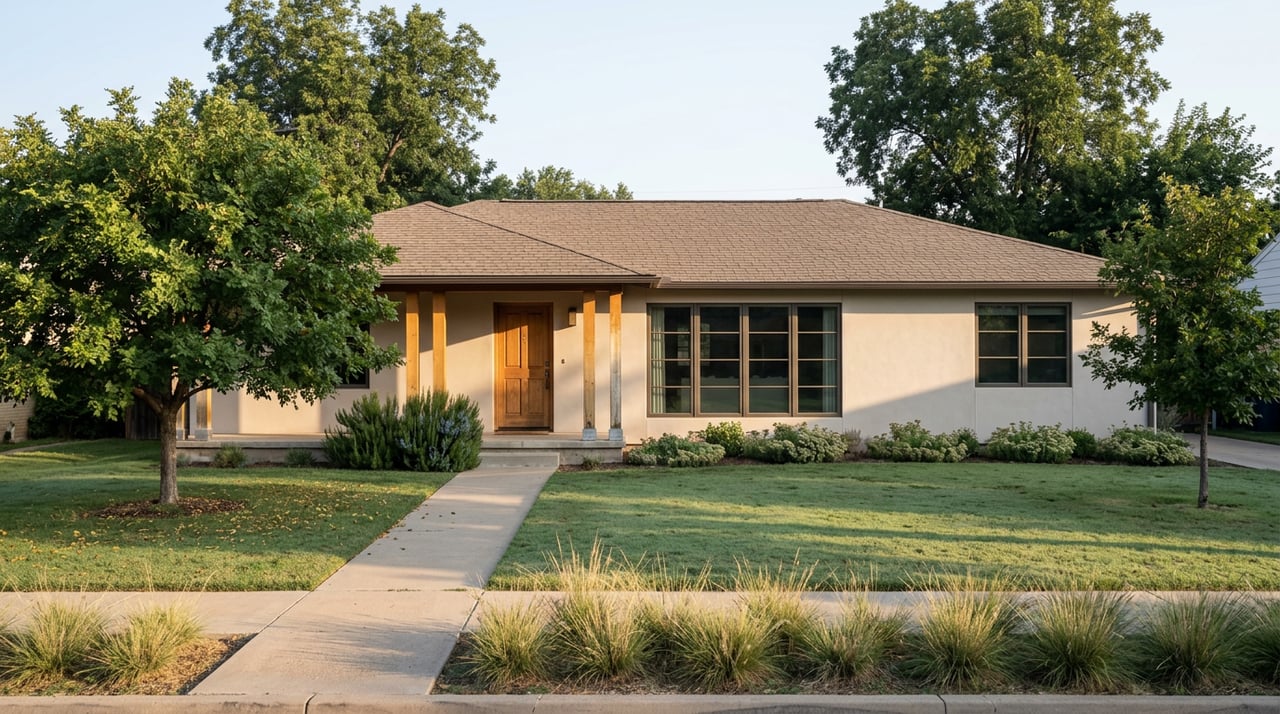
If you are dreaming about room for horses, equipment, and a little more elbow room, buying acreage in Gardnerville can be exciting. It can also get complicated fast if you focus only on the number of acres and overlook zoning, water, septic, or existing improvements. The good news is that with the right local guidance, you can evaluate these properties with more confidence and avoid costly surprises. Let’s dive in.
Why Gardnerville Horse Properties Stand Out
Gardnerville sits in Douglas County, an area the county still describes through open space, ranches, farms, and rural recreation. That setting is a big reason many buyers look here when they want a property that supports horses and a rural lifestyle.
Local listing examples also show that horse and acreage properties come in a wide range of sizes. You may see parcels around 1.63 acres, 2.78 acres, 4.54 acres, 6.7 acres, 20 acres, 28.36 acres, and even 39 acres. Just as important, many of these properties include features like barns, tack rooms, hay storage, corrals, arenas, workshops, guest homes, and water rights.
That tells you something important right away. In Gardnerville, value is often tied to usable land and working improvements, not just parcel size.
Look Beyond Acreage Alone
A larger parcel does not automatically mean a better horse property. Two properties with similar acreage can function very differently depending on zoning, layout, water access, septic capacity, and what improvements are already in place.
For example, one parcel may have cross-fenced pasture, a barn, and room for trailers or equipment. Another may offer the same number of acres but require major upgrades before it works for your plans. That is why it helps to think about how you want to use the property from day one.
Before you write an offer, ask yourself:
- How many horses or animals do you plan to keep?
- Do you want simple animal keeping or more intensive horse use?
- Do you need a barn, tack room, arena, workshop, or hay storage?
- Will you want additional structures later?
- Does the property need water rights or irrigation features for your intended use?
These questions can help you compare properties in a more practical way.
Check Zoning First
Zoning is one of the most important parts of buying horse property in Gardnerville. Douglas County defines animal keeping to include grazing, keeping, and limited boarding of horses, along with coops, stables, and related accessory structures. The county also makes a distinction between animal keeping and equestrian facilities, which are treated differently.
That distinction matters because a property that works for basic horse keeping may not be approved for a higher-intensity use. If your plans go beyond personal keeping, you should verify the exact use with Douglas County Planning before you commit.
Minimum parcel sizes matter
Douglas County materials show these minimum parcel sizes for certain districts:
- SFR-1: 1-acre minimum
- SFR-2: 2-acre minimum
- RA-5: 5-acre minimum
- RA-10: 10-acre minimum
The county’s code-enforcement FAQ also notes that animal keeping is allowed on parcels zoned SFR 1 and above with at least 1 acre. Some SFR 1/2 parcels in a Livestock Overlay Zone may also allow animals with additional provisions.
That means you should never assume a property is horse-ready just because it looks rural or has open land. You need to confirm the zoning and any overlay rules tied to the parcel.
Why zoning verification protects you
A listing may mention horse features or current use, but your purchase decision should still be based on confirmed legal use. County tools like the GIS viewer can help with zoning lookups, and Douglas County points buyers to the current title for permitted uses.
A simple rule is this: verify first, assume nothing. That step can save you from buying a property that does not match your plans.
Review Barns, Fencing, and Other Improvements
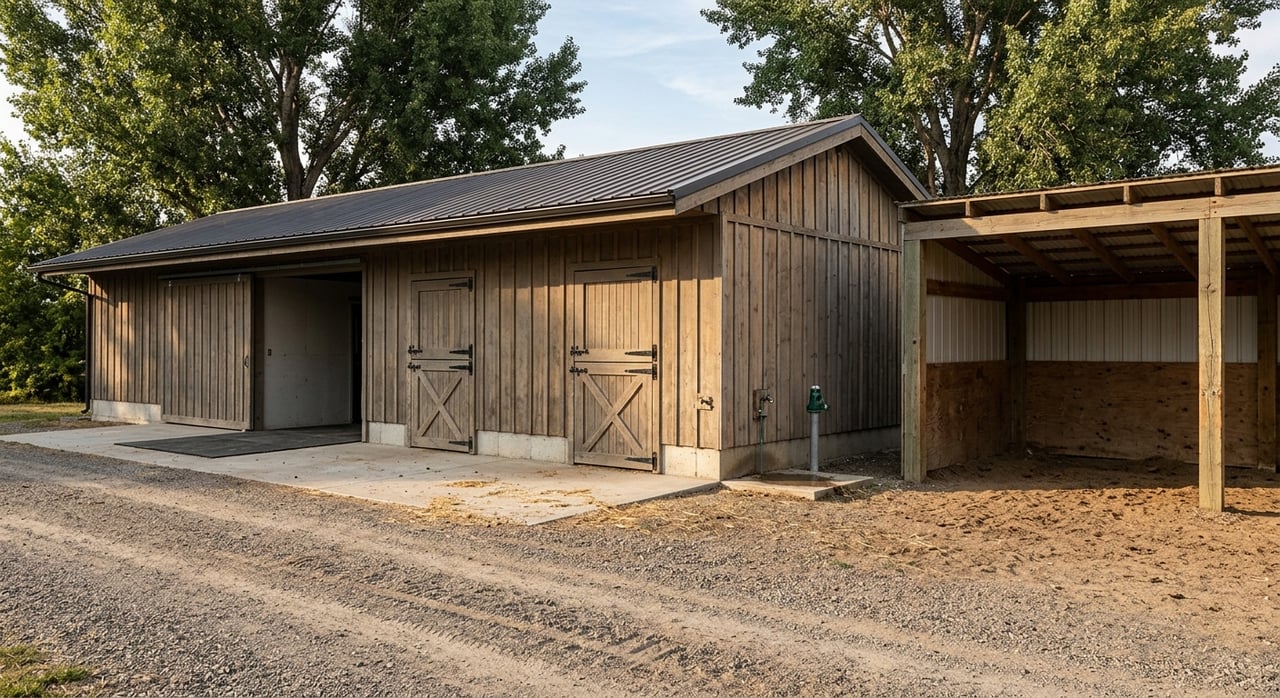
Many buyers love acreage properties because the work may already be done. In Gardnerville, current listings commonly show barns, tack rooms, hay barns, round pens, arenas, wash racks, workshops, RV garages, and cross-fenced pasture.
Still, existing improvements should be reviewed carefully. Even if a property already has horse infrastructure, you may still need to confirm how those structures fit county requirements and whether future additions will be allowed.
What county rules say
Douglas County’s accessory-structure guide includes a few practical points buyers should know:
- Accessory structures in residential districts must be compatible with the main dwelling
- Structures under 15 feet tall may often be placed closer to side or rear lot lines
- Rear-yard coverage rules can limit placement in residential areas
- A building permit is required for accessory structures over 200 square feet
- Outside A-19, FR, RA-10, and RA-5 districts, accessory structures over 200 square feet are not allowed without a principal dwelling
- Fences 7 feet and under do not require a building permit, while taller walls or fences do
If you are planning to add a barn, workshop, or enclosed storage, these details matter. They also matter if you are buying a property because of improvements that are already there.
Watch for accessory dwelling issues
One detail that can surprise buyers is that adding a kitchen to an accessory structure can shift it into accessory dwelling status. That creates a different approval path.
So if you are considering a guest space, bunkhouse-style setup, or conversion of an outbuilding, make sure you understand how Douglas County will classify that structure.
Do Not Skip CC&Rs and Private Restrictions
County approval is only part of the picture. Douglas County makes it clear that it does not monitor or enforce private CC&Rs.
That means a property might meet county rules for barns, fencing, or animal keeping and still be limited by private restrictions from an HOA or similar governing documents. As a buyer, you are responsible for reviewing those documents before moving forward.
This is one of the easiest ways to avoid a mismatch between what you want to do and what the property actually allows.
Water Due Diligence Is Essential
Water is a major part of buying acreage in Nevada, and it deserves close attention. Nevada water law treats water as public, and non-domestic use generally requires a water right.
The Nevada Division of Water Resources also states that water rights are real property and must be conveyed by deed and recorded. If a listing advertises water rights, you should confirm exactly what rights will transfer with the sale.
Understand the well rules
According to the state’s domestic-well guidance, domestic wells are generally exempt from permitting when used for a single-family dwelling and related domestic purposes. That can include lawn or garden watering and watering livestock or pets, up to 2 acre-feet per year.
The same guidance also says a domestic well generally cannot be drilled if the parcel can be legally and physically served by public water. So if a property depends on a well, you want to understand both the current setup and any legal limitations tied to it.
Ask specific water questions
When evaluating a horse or acreage property, ask:
- Is the water source a domestic well, surface water right, irrigation right, or something else?
- Are any water rights included in the sale?
- If rights are included, how are they recorded and conveyed?
- Does the current water setup support your intended use?
These are not small details. Water can directly affect how usable the property is for horses, pasture, landscaping, and future plans.
Septic Capacity Can Affect Your Plans
On rural properties, septic is another key due-diligence item. Douglas County’s accessory-dwelling guidance notes that when you add an ADU or a second septic system, septic sizing becomes part of the review.
That matters if you are considering a guest home, detached living space, or future expansion. Your plans may depend on whether the site and system can support that added use.
Douglas County also advises owners to keep septic records, pump tanks regularly, and protect leach fields from tree roots and runoff. On horse properties, that is especially important because paddocks, pastures, wash areas, and drainage patterns should not interfere with the wastewater system.
Build Your Due-Diligence Team Early
Horse and acreage purchases usually involve more moving parts than a standard residential transaction. The safest approach is to start your due diligence before you are fully committed.
Douglas County offers pre-application meetings so owners can discuss projects with Planning, Building, Engineering, and, when needed, East Fork Fire. The county also notes that staff responses do not equal approval, but these meetings can still help you identify issues early.
You should also review recorded property documents carefully. The Douglas County Recorder’s Office records deeds, easements, liens, and other real-property documents, which makes title and access review especially important on acreage parcels.
A Smart Buying Checklist
If you want a practical way to evaluate a Gardnerville horse property, start with this checklist:
- Confirm zoning and any livestock overlay rules
- Verify that your planned horse use is allowed
- Review existing barns, fencing, arenas, and other structures
- Check whether permits may be needed for future improvements
- Review CC&Rs, HOA rules, or GID requirements if they apply
- Confirm the property’s water source and whether water rights convey
- Evaluate septic records, capacity, and site layout
- Review deeds, easements, liens, and access documents
This process may sound detailed, but it is what helps you buy with confidence.
Why Local Guidance Matters
Buying horse and acreage property in Gardnerville is rarely just about finding a pretty parcel. It is about making sure the property works for the way you want to live and use the land.
That means balancing lifestyle goals with local rules, recorded rights, and practical infrastructure. When you have a local real estate team helping you ask the right questions early, you can move faster, make clearer decisions, and avoid expensive surprises later.
If you are considering horse or acreage property in Gardnerville or anywhere in Northern Nevada, Hadley Faught can help you evaluate listings, navigate the buying process, and connect you with the right next steps.
FAQs
What should I verify before buying a horse property in Gardnerville?
- You should verify zoning, allowed animal use, water source, any water rights, septic capacity, recorded easements or liens, and private CC&Rs that could affect the property.
Does acreage alone make a property horse-ready in Gardnerville?
- No. In Gardnerville, a property’s usability often depends on legal use, water, septic, and existing improvements as much as total acreage.
Can I keep horses on any rural-looking property in Douglas County?
- Not necessarily. Douglas County says animal keeping is allowed on parcels zoned SFR 1 and above with at least 1 acre, and some SFR 1/2 parcels in a Livestock Overlay Zone may allow animals with added provisions.
Do barns and fences need permits in Douglas County?
- Accessory structures over 200 square feet generally require a building permit, and fences 7 feet and under do not require one, while taller fences or walls do.
Why are water rights important for Gardnerville acreage properties?
- Water rights can affect how the property supports non-domestic uses, and the state says water rights are real property that must be conveyed by deed and recorded.
What septic issues matter on a Gardnerville horse property?
- Septic capacity, recordkeeping, and leach field protection all matter, especially when horse areas, drainage, wash spaces, or future structures could affect the system.