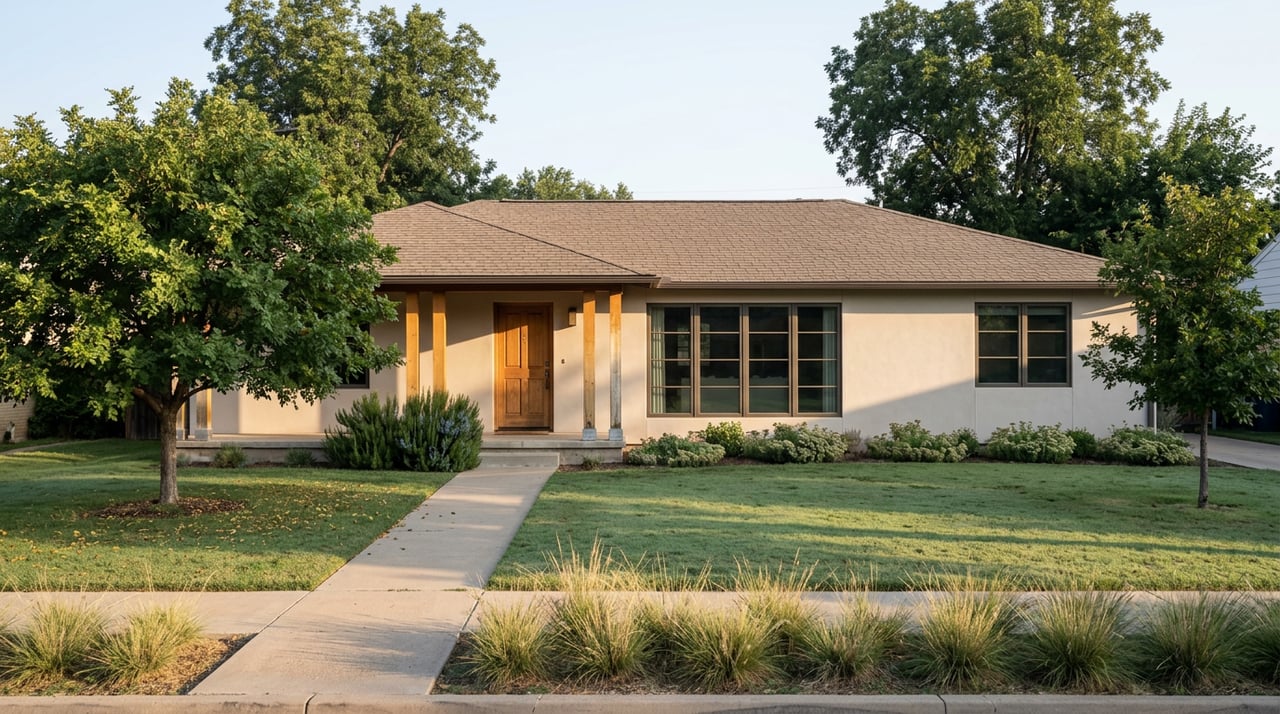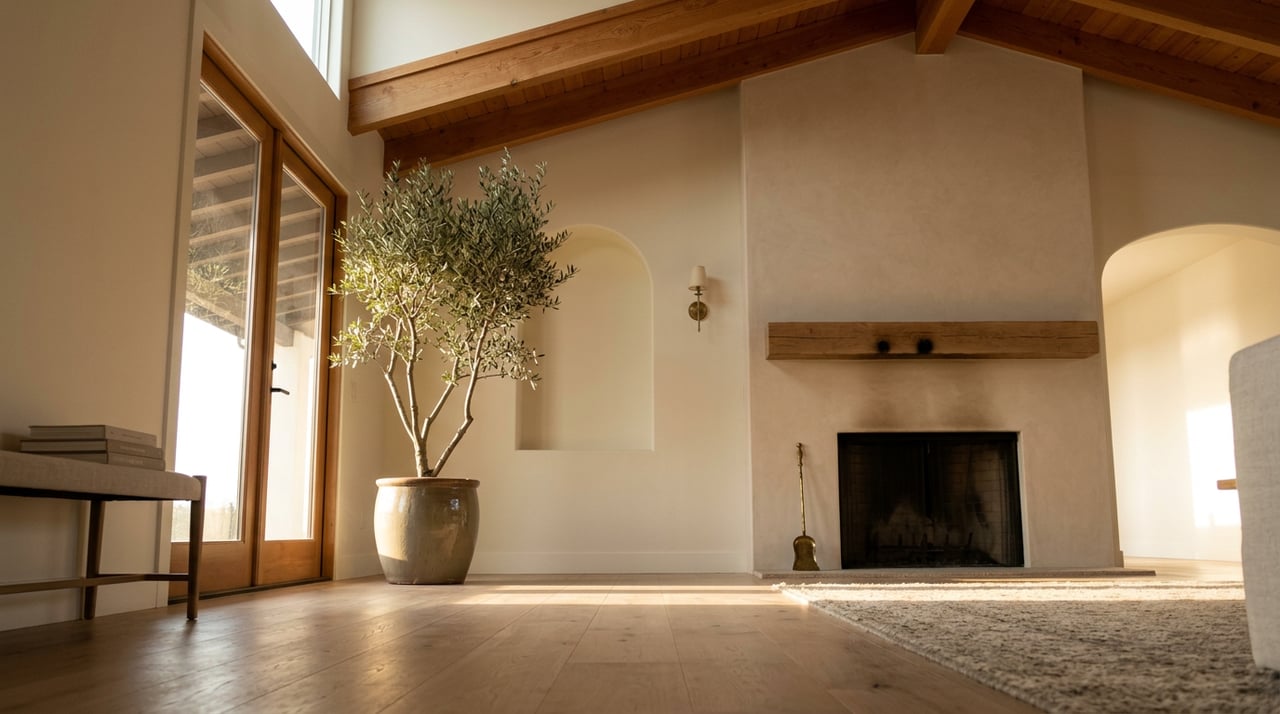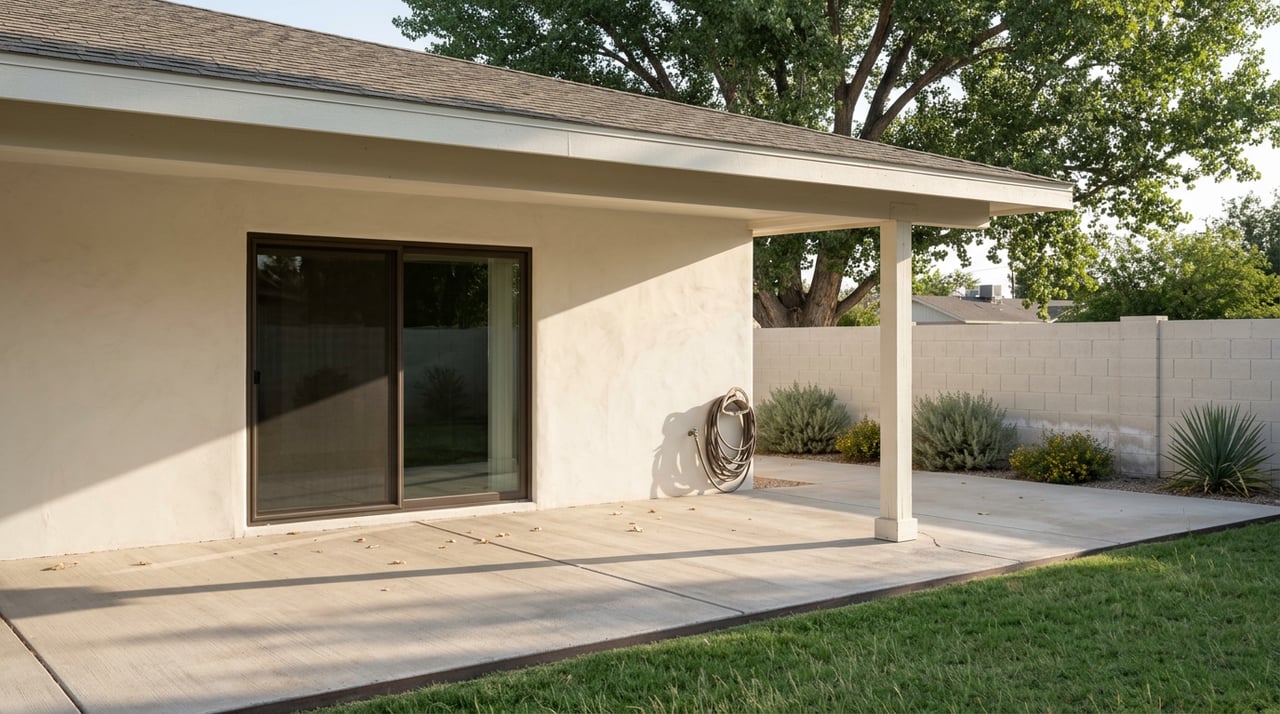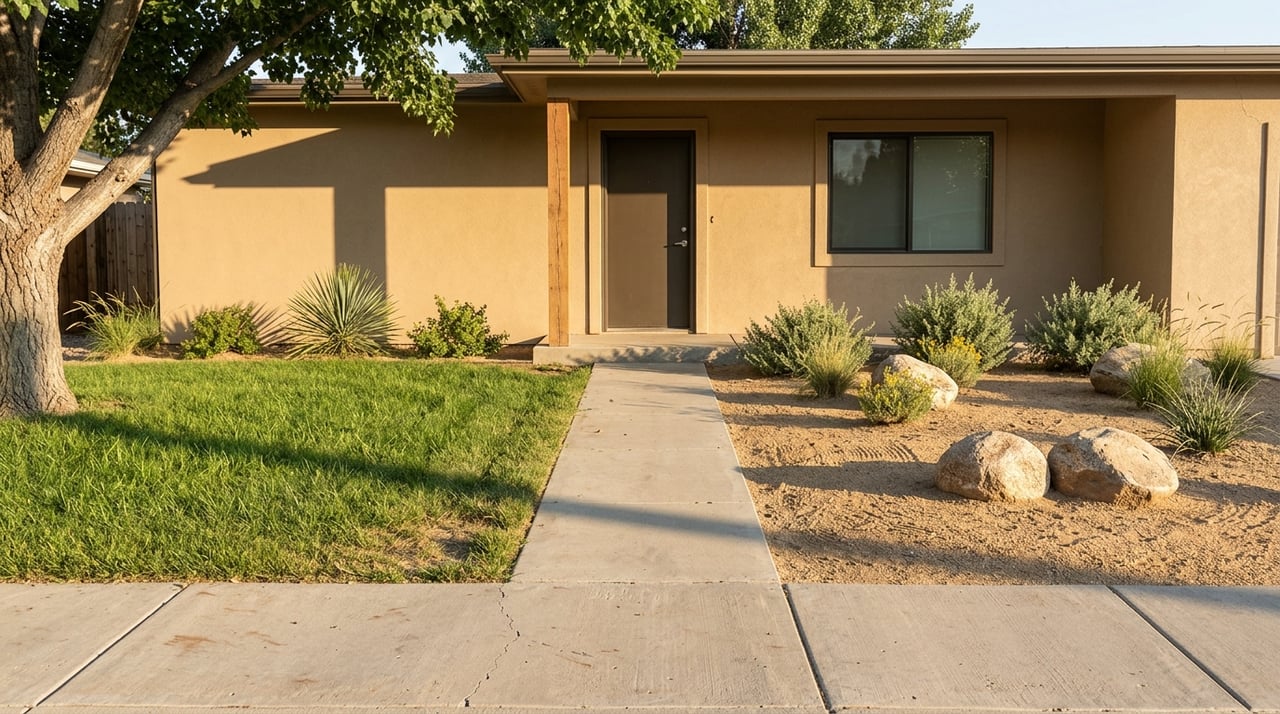
Choosing between a brand-new home and an older neighborhood in Sparks can feel like choosing between convenience and character. If you are weighing open floor plans, newer systems, and planned amenities against central access, mature streetscapes, and more architectural variety, you are not alone. The good news is that Sparks offers both in a very visible way. This guide will help you compare the tradeoffs so you can focus on the kind of daily life that fits you best. Let’s dive in.
How Sparks Splits Between Old and New
Sparks has a clear housing-age pattern. According to the City of Sparks, the oldest neighborhoods are generally in the downtown core, and housing gets newer as you move outward. The newest housing is concentrated in the Spanish Springs Valley.
That pattern helps explain why Sparks can feel so different from one area to the next. In central parts of the city, you are more likely to see older homes, established blocks, sidewalks, and a less uniform look. In newer growth areas, you will often find planned developments with newer homes and more standardized community layouts.
What New-Build Neighborhoods Usually Offer
If you are drawn to newer construction, Sparks gives you several examples of what that can look like. Much of the housing built since the early 1990s has come through planned developments, which means newer neighborhoods often follow a master-planned format.
For many buyers, that means a more predictable layout and a more modern home design. Newer homes in Sparks often feature open-concept floor plans, updated systems, and flexible garage setups. In some communities, buyers may also find oversized home sites or options geared toward RV parking.
Newer floor plans and product types
New construction in Sparks is not all the same, but it does tend to be more standardized than older housing. Current examples in the market include homes ranging from about 1,355 square feet to nearly 4,000 square feet, depending on the builder and community.
That variety includes single-family homes, duet-style options, and age-restricted 55+ communities. Regency at Stonebrook, for example, is described as a low-maintenance 55+ new-build community with several home collections. Other communities offer a broader mix of home sizes and lot configurations.
Maintenance is often lighter, not zero
A lot of buyers assume new construction means no maintenance. In reality, builder materials make it clear that homeowners still need to handle routine care, and some issues like certain landscaping concerns may not be covered under warranty.
The practical takeaway is simple. A newer home may reduce the chance of major near-term repair surprises, but you should still expect normal upkeep. If you want lower maintenance at the start, new-build can still be appealing, but it is not completely hands-off.
What Established Neighborhoods Often Feel Like
Older neighborhoods in Sparks offer a different kind of value. The city notes that historic homes in the core often sit along tree-lined streets with sidewalks, parkways, and alley access at the rear. That creates a more established neighborhood feel that many buyers find appealing.
You may also see more variation from house to house. Instead of rows of similar elevations and floor plans, established areas often have a mix of home ages, styles, lot shapes, and updates. If you care about personality and a less uniform streetscape, this can be a strong plus.
Lot sizes and housing variety
Established central Sparks homes show a broader mix of parcel sizes and home types. Current examples include homes from the 1940s through the 1960s on lots around 5,600 to 6,900 square feet, along with some larger parcels around a quarter acre.
That does not mean every older home has a large lot, and it does not mean every new home has a small one. Still, older neighborhoods tend to offer more variation overall. You are often comparing one-off properties instead of a set menu of builder plans.
Character can come with more upkeep
Older homes can offer charm, mature landscaping, and a more established setting. They may also come with more maintenance questions, especially if systems or finishes have been updated at different times.
That is part of the tradeoff. If you love older neighborhood character, you may need to be more flexible about repairs, updates, or home-specific quirks. In exchange, you often get a setting that feels more rooted and less standardized.
HOA Differences Matter More Than Many Buyers Expect
One of the biggest practical differences in Sparks is how often new-build homes are part of a common-interest community. Under Nevada law, buyers in these communities typically receive documents that include the declaration, bylaws, rules, assessment information, budgets, reserve information, and fee disclosures.
That matters because your monthly costs and use rules may be shaped by more than just the home itself. Nevada HOA registration forms also recognize both master associations and sub-associations. In plain terms, some buyers may owe one HOA fee, while others may have layered dues tied to both a master and sub-association.
What to ask before you buy
If you are considering a newer Sparks neighborhood, ask these questions early:
- Is the home in a common-interest community?
- Is there one HOA or more than one association?
- What are the monthly or quarterly dues?
- What do the CC&Rs, rules, and reserve documents say?
- Are there use restrictions that affect parking, exterior changes, or maintenance?
In older central neighborhoods, HOA involvement is generally more variable. Because many of those homes predate the planned-development wave of the 1990s and later, governance is often less standardized. Still, you should verify the setup on any specific address rather than assume.
Commute and Daily-Life Tradeoffs
Your home choice is also a lifestyle choice. In Sparks, the difference between new-build and established neighborhoods often lines up with how you want to move through your day.
Central Sparks is the stronger fit if you want a more embedded location near downtown services and transit. RTC says its RIDE bus system serves Reno and Sparks, FlexRIDE is available in select areas of Sparks and Spanish Springs, and RTC CENTENNIAL PLAZA sits in the heart of Victorian Square. RTC also describes Central Sparks as a core with residential and commercial uses plus transit service, including the Lincoln Line bus rapid transit route.
Central access vs edge-of-city space
If you value access to transit and a more mixed-use setting, established central neighborhoods may feel more convenient. You may give up some newer-home features, but you gain a location that is more connected to the historic core.
On the other hand, newer neighborhoods on the north and east growth edge often align with a more highway-oriented routine. NDOT says the I-80 East Study and related widening work between Vista Boulevard and USA Parkway are intended to improve reliable travel time and reduce delays. RTC and NDOT also have ongoing work tied to Pyramid Highway and Pyramid Way in the Sparks and Spanish Springs area.
That does not guarantee an easier commute from every address. It does suggest a broader pattern: newer edge-of-city neighborhoods often trade a more central location for newer housing stock, larger sites in some communities, and growth-area infrastructure.
Which Option Fits Your Priorities?
There is no universal winner between new-build and established neighborhoods in Sparks. The better choice depends on what matters most to you after move-in day.
If you want a cleaner slate, newer systems, and a more predictable community format, new-build may feel like the easier fit. If you care more about central access, mature surroundings, and architectural variety, established neighborhoods may offer more of what you are looking for.
New-build may fit you best if you want
- Newer construction and more recent systems
- Open-concept layouts
- HOA-managed common areas
- More standardized home designs
- Possible garage or RV-parking flexibility in some communities
- Low-maintenance options, including some 55+ communities
Established neighborhoods may fit you best if you want
- A more central Sparks location
- Tree-lined streets, sidewalks, and older neighborhood patterns
- More architectural variety
- More parcel-to-parcel uniqueness
- A less standardized streetscape
- Better access to downtown-oriented services and transit in central areas
A Smart Way to Compare Homes in Sparks
When you tour homes in Sparks, try comparing more than the house itself. Pay attention to dues, rules, maintenance expectations, lot shape, street layout, commute habits, and how the area feels at different times of day.
A newer home may look easier on paper, but the HOA structure could affect your budget and flexibility. An older home may win you over with location and character, but you will want to look closely at condition and upkeep. The right move comes from matching the property to your real daily priorities, not just the listing photos.
If you are sorting through neighborhoods in Sparks and want a clear, practical comparison based on your budget, lifestyle, and move timeline, Hadley Faught can help you narrow the options and move forward with confidence.
FAQs
What is the main difference between new-build and established neighborhoods in Sparks, NV?
- In Sparks, newer housing is generally farther out, especially toward Spanish Springs, while older neighborhoods are more concentrated near the downtown core. New-build areas often have planned-development layouts, while established neighborhoods usually offer more variation in home style, lot layout, and streetscape.
Do new-build communities in Sparks usually have HOAs?
- Many newer Sparks communities are part of common-interest communities under Nevada law. Buyers should confirm whether there is one HOA or layered master-and-sub associations, since dues, rules, and disclosures can vary by address.
Are older Sparks neighborhoods closer to transit and downtown services?
- Central Sparks generally has stronger transit connections and a more mixed-use setting. RTC notes service in central Sparks, including access through RTC CENTENNIAL PLAZA and the Lincoln Line bus rapid transit route.
Do new homes in Sparks require less maintenance?
- New homes often reduce the chance of immediate repair surprises, but they still require regular upkeep. Builder warranty materials make clear that homeowners are responsible for routine maintenance, and some issues may not be covered.
Are lot sizes bigger in established Sparks neighborhoods?
- It depends on the property, but established neighborhoods often show more lot-size variation. Central Sparks examples include lots around 5,600 to 6,900 square feet, plus some larger parcels, while newer communities can range from more compact sites to oversized lots depending on the builder and neighborhood.
Is Spanish Springs the main area for newer homes near Sparks?
- The City of Sparks says the newest housing is in the Spanish Springs Valley. That makes the area an important part of the new-build conversation for buyers comparing newer development with older central Sparks neighborhoods.