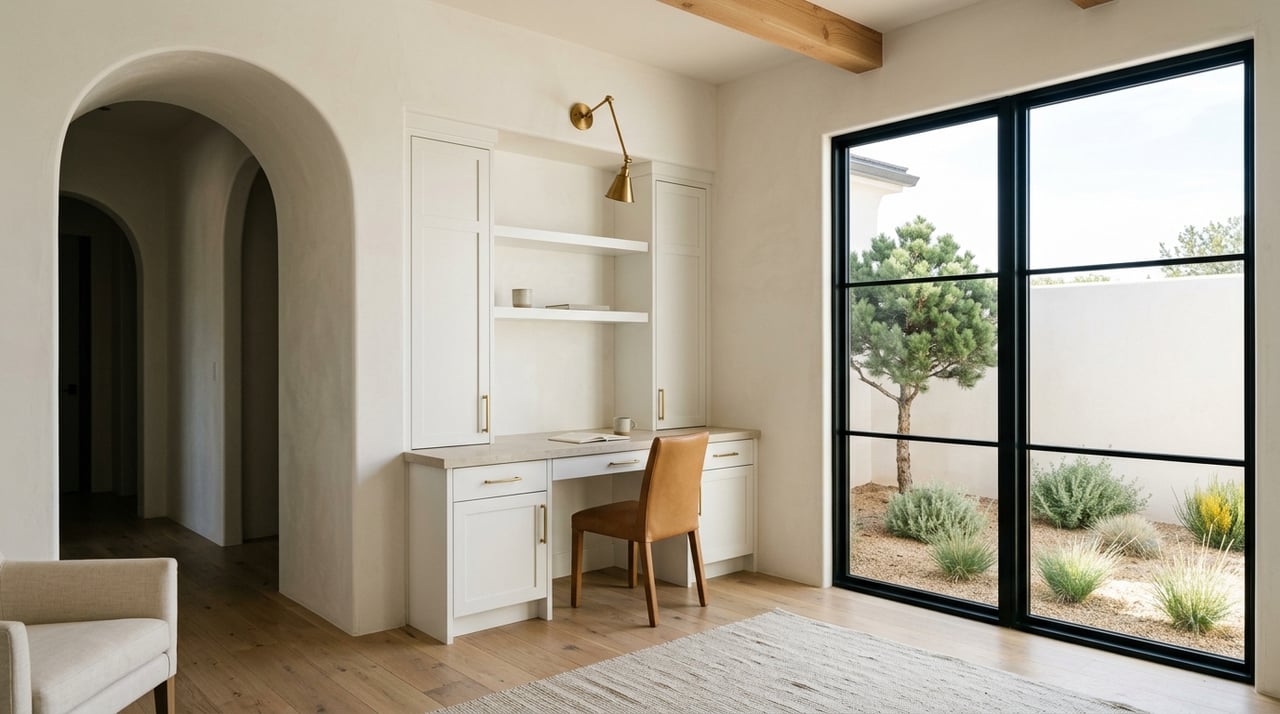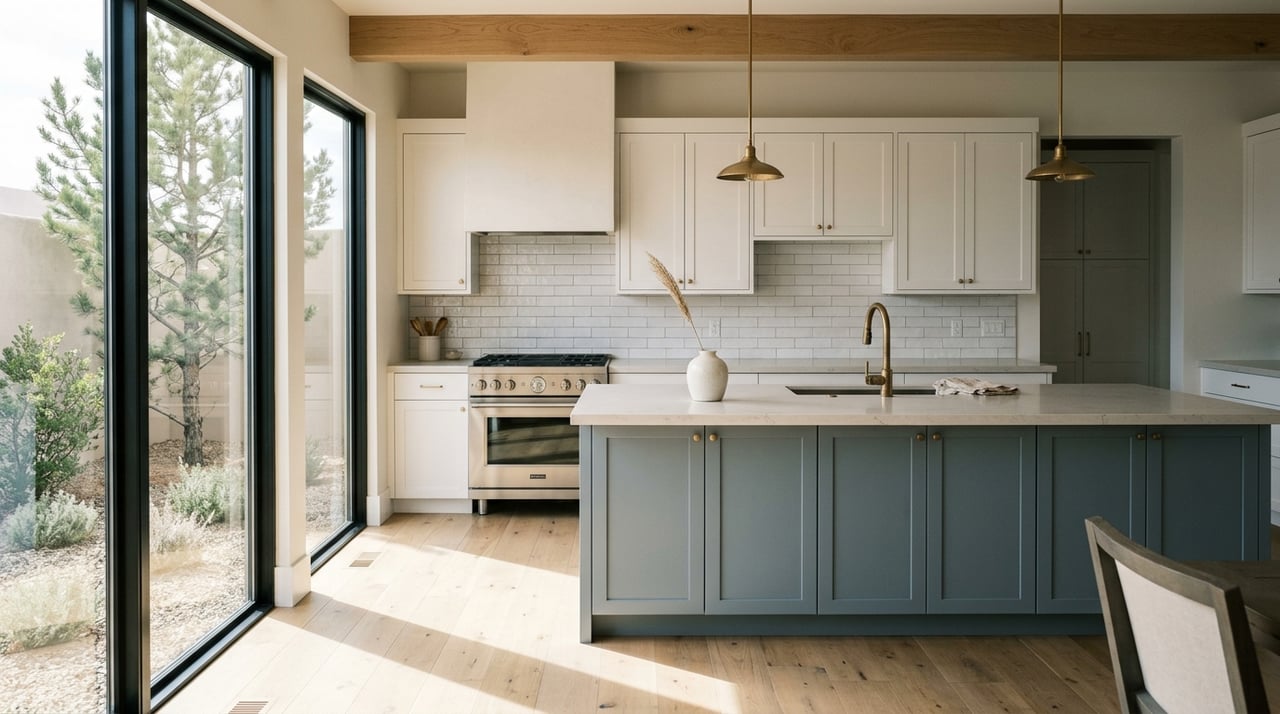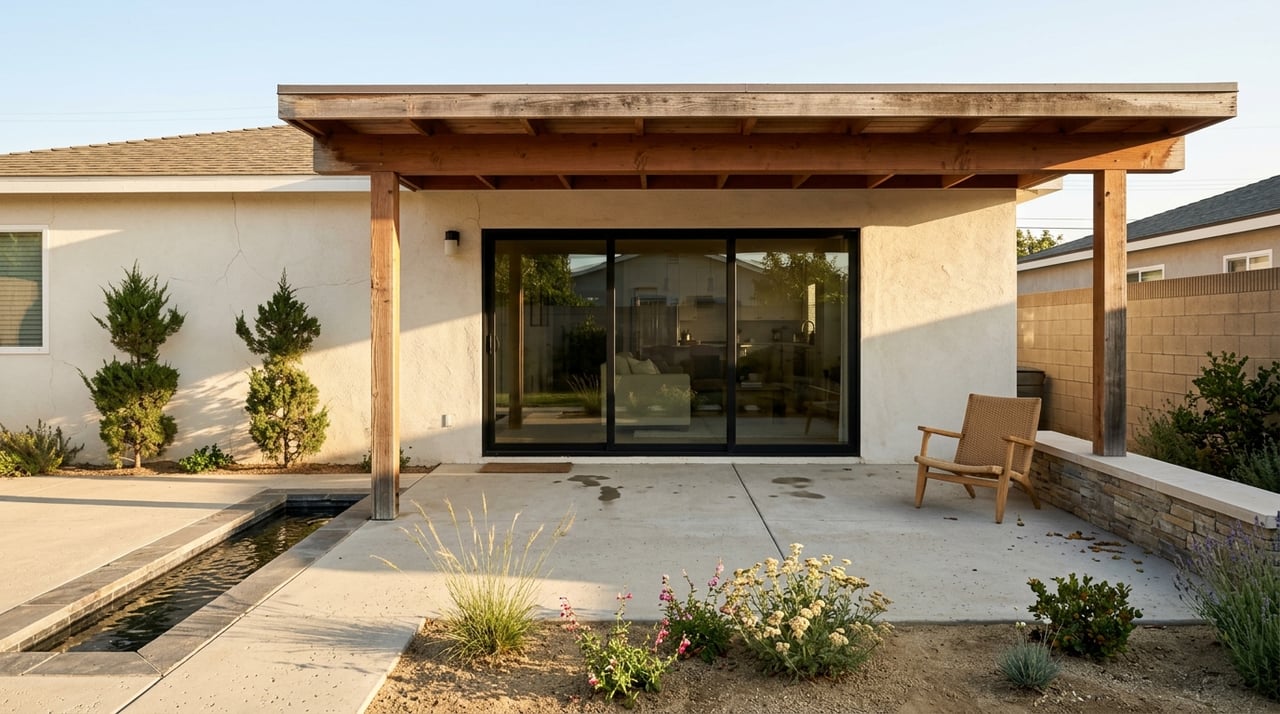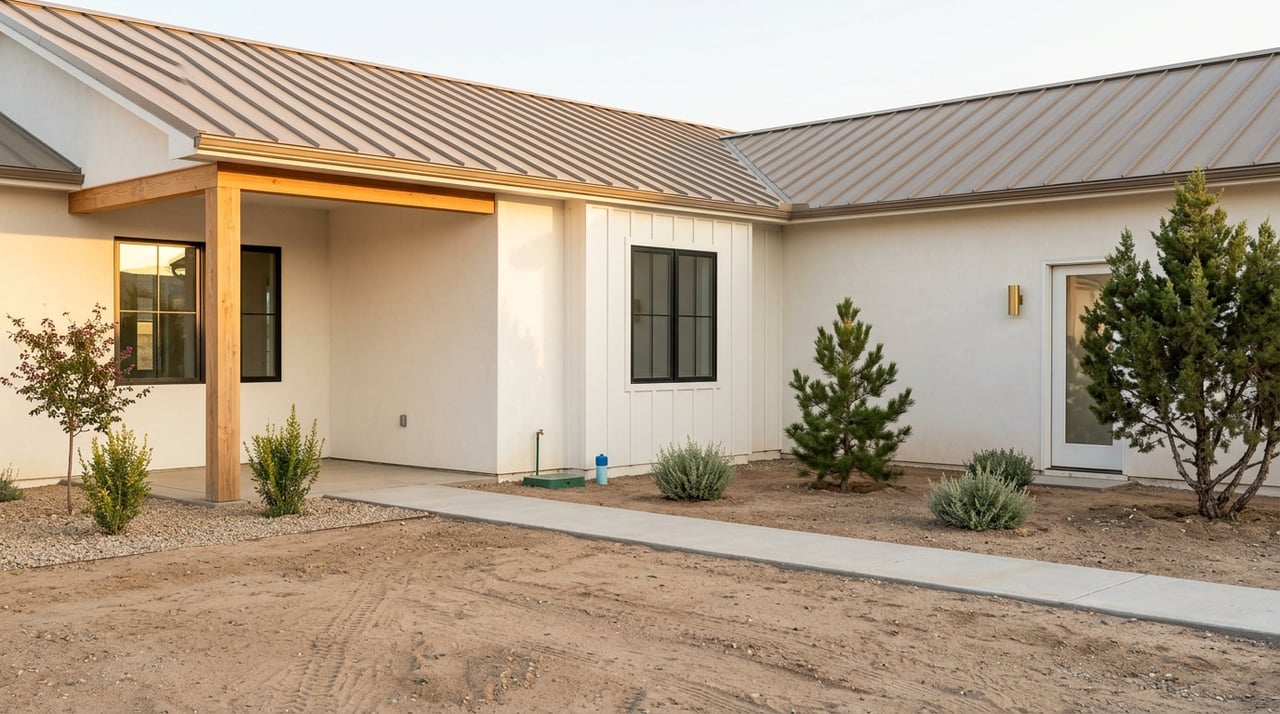
Trying to decide between living in town or buying a place with more land outside Fallon? That choice shapes your daily routine, your property setup, and how much flexibility you may have with things like utilities, storage, and outdoor space. If you are weighing convenience against elbow room, this guide will help you compare both settings in a practical way. Let’s dive in.
In-Town Fallon at a Glance
If you want a simpler day-to-day setup, in-town Fallon often checks that box. The City of Fallon provides electricity, trash, sewer, and water to residents, which can make homeownership feel more straightforward from the start.
In-town living also puts you closer to downtown Fallon’s Main Street area, which the city presents as a pedestrian-friendly shopping and dining corridor. Free downtown parking can make short errands, meals out, and everyday stops easier to manage.
The city also highlights convenient access to recreation and civic amenities. That includes parks, pools, a gym, theatres, the library, and the museum, all of which can add to the rhythm of daily life.
Why buyers choose town living
Many buyers prefer in-town Fallon because it supports a more traditional neighborhood feel. You may find smaller yards, easier utility access, and a shorter path to the places you visit most often.
This setting can be especially appealing if you want to spend less time thinking about property infrastructure and more time enjoying the home itself. For buyers who value convenience, that can be a major plus.
Outskirts Fallon at a Glance
If your top priority is space, the outskirts may feel like a better fit. Churchill County organizes land into several districts, including agricultural, residential, commercial, industrial, and rural resource areas, and its master plan sets aside an urbanizing area for more intensive mixed uses.
That wider range of land-use patterns can create more variety in how parcels feel outside town. Depending on the specific property, you may get more separation from neighbors, larger setbacks, and more room for detached structures or rural uses.
The tradeoff is that rural or county living usually requires more verification before you buy. You will want to confirm road access, utility setup, septic or well status where applicable, and parcel-specific county requirements.
Why buyers choose the outskirts
Buyers often look outside town when they want privacy, flexibility, and room to spread out. If you have been picturing a detached shop, extra storage, or open land around the home, the outskirts may better match that vision.
It can also be a strong fit if you enjoy a more open landscape and do not mind doing a bit more homework on the front end. In many cases, that extra effort is what helps you find the right long-term setup.
Lot Sizes and Parcel Feel
One of the biggest differences between in-town living and the outskirts is how the lot actually feels when you stand on it. In Churchill County, residential zoning can range from 5,000 square feet in R-2 and 7,000 square feet in R-1 to 1 acre in E-1, while acreage-style districts include 5 acres in A-5, 10 acres in A-10, and 20 acres in RR-20.
The county also notes that some areas can be half-acre lots when water or sewer facilities are provided. That means you may find a middle ground between a standard in-town lot and a larger rural parcel, depending on location and utility access.
Setbacks matter more than many buyers expect
Larger parcels usually bring larger setbacks, and that affects how private and usable the property feels. In A-5, A-10, and RR-20 districts, the county applies substantial front, side, and rear setbacks.
Churchill County also adds extra front setback distance along state and county roads with speed limits above 25 miles per hour. So even if two properties have similar acreage, the usable area and overall feel can be different.
Space for shops and storage
If you want room for a detached shop, shed, or storage setup, county code specifically addresses detached accessory buildings and storage containers. That can make the outskirts appealing for buyers who need more than just the house itself.
In-town buyers may still find functional yards and outbuildings, but properties outside city-style lot patterns often give you more room to plan around hobbies, equipment, or extra storage. The key is to confirm what is allowed on the specific parcel you are considering.
Utilities and Infrastructure
Utilities are often where the in-town versus outskirts decision becomes very practical. In town, the setup is more straightforward because the City of Fallon provides electricity, trash, sewer, and water.
That simplicity can reduce surprises and make move-in planning easier. For many buyers, especially those relocating from another area, that predictability matters.
County properties need parcel-by-parcel review
Outside town, utility service can vary. New lots in the county require water-right dedication and impact fees, and the county building department handles permits and septic-system inspections for unincorporated areas.
The county’s septic information also directs property owners to well records held by the Nevada Division of Water Resources. In other words, you should not assume every property outside town has the same utility setup.
One important point is that outskirts does not always mean private well and septic. Churchill County operates water and wastewater systems in parts of the county, including several subdivisions and businesses along the westward Highway 50 corridor, so the actual utility status should always be confirmed for each parcel.
Roads, Access, and Commute Patterns
Your drive to work, school, shopping, or recreation may feel very different depending on where you buy. Fallon sits at the intersection of US-50 and US-95, which supports local and regional travel.
The city also lists daily Silverado Stages service from Fallon to Reno, Carson City, Las Vegas, and Salt Lake City. CART provides county transportation on county-maintained roads, which adds another layer of mobility for some residents.
Road conditions matter more outside town
In county areas, road access deserves close attention. Churchill County maintains 191.31 miles of paved roads and 254.79 miles of unpaved roads, so the road surface near a property may shape your day-to-day experience.
The county also requires an encroachment permit for new work within a county right-of-way, and standard road easements are 60 feet wide. If you are buying in the outskirts, access details are part of the due diligence, not an afterthought.
Lifestyle and Recreation Differences
Lifestyle is where this decision gets personal. In-town Fallon gives you the easiest access to city recreation, including the library, museum, theatres, gym, pools, parks, downtown shopping, local dining, and events.
If you enjoy being able to head out for errands or activities without much planning, that convenience may be a major advantage. You may feel more connected to the day-to-day pulse of Fallon.
Open-space recreation is a big draw outside town
The outskirts often appeal to buyers who want a stronger connection to open land and outdoor recreation. Stillwater National Wildlife Refuge is about 17 miles northeast of Fallon and spans more than 80,000 acres.
Lahontan State Recreation Area is also a major destination for boating, fishing, water-skiing, horseback riding, and camping. The city’s OHV map covers hundreds of miles of Fallon landscape, which adds to the appeal for buyers who enjoy exploring beyond town.
Rural surroundings come with rural realities
Fallon’s surrounding landscape includes agricultural areas, and county policy recognizes farming rights. That includes activities such as use of large equipment, feed storage, grazing, feedlots, and dairy operations.
For some buyers, that agricultural setting is part of the appeal. For others, it is simply important context to understand before choosing a property outside town.
Which Setting Fits You Best?
If you want smaller yards, municipal utilities, easier errands, and a more classic town setting near downtown and city recreation, in-town Fallon may be the better fit. It often works well for buyers who want convenience and a more predictable property setup.
If you want more privacy, more land, and more room for detached structures or rural uses, the outskirts may make more sense. That path can be rewarding, but it usually calls for more careful review of utilities, roads, setbacks, and county requirements.
A simple way to decide
Ask yourself what you want your everyday life to feel like. If your answer includes quick trips, city services, and lower-maintenance living, focus your search in town.
If your answer includes open views, extra space, and flexibility for how you use the property, broaden your search to the outskirts. The right choice is less about what is better overall and more about what fits your routine, priorities, and long-term plans.
When you are comparing properties in Fallon and Churchill County, local insight can save you time and help you spot the details that matter most. If you want help narrowing down the right setting for your goals, connect with Hadley Faught for practical guidance on homes in town, acreage properties, and everything in between.
FAQs
What is the main difference between in-town Fallon and the outskirts?
- In-town Fallon is generally the convenience-first option with city-provided electricity, trash, sewer, and water, while the outskirts are usually the space-first option with more variation in lot size, utility setup, and land use.
Do outskirts properties in Fallon always use well and septic?
- No. Churchill County operates water and wastewater systems in parts of the county, including several subdivisions and businesses along the westward Highway 50 corridor, so each parcel should be verified individually.
What lot sizes can you find around Fallon and Churchill County?
- County zoning ranges from smaller residential lots such as 5,000 square feet and 7,000 square feet to 1-acre, 5-acre, 10-acre, and 20-acre districts, with some half-acre areas where water or sewer facilities are provided.
Are road conditions different outside Fallon city limits?
- Yes. Churchill County maintains both paved and unpaved roads, so access and road surface can vary more outside town and should be reviewed during your property search.
Is in-town Fallon better for everyday convenience?
- For many buyers, yes. In-town Fallon offers straightforward city utilities, free downtown parking, and easier access to shopping, dining, parks, pools, the library, the museum, theatres, and other city recreation.
Are outskirts properties around Fallon better for shops and extra storage?
- They can be. County code specifically addresses detached accessory buildings and storage containers, and larger parcels often provide more room and separation for those features, subject to parcel-specific rules.