If you are comparing Old Town Dayton with Dayton’s newer neighborhoods, you are really choosing between two different ways of living in the same growing community. Some buyers want historic character and a more established setting, while others want newer construction, predictable lot sizes, and move-in-ready features. This guide will help you understand the tradeoffs so you can focus your search with more confidence. Let’s dive in.
Why This Choice Matters in Dayton
Dayton is both a historic Nevada community and a place that continues to grow. Lyon County’s master plan identifies Old Town as part of Dayton’s western area near Dayton Valley Road and U.S. 50, while also describing Dayton as the county’s fastest-growing community in the 21st century.
That mix shapes what you will find as a homebuyer. On one side, you have a finite historic core with older buildings, smaller and less uniform parcels, and a strong sense of place. On the other, you have newer neighborhoods planned around modern residential patterns, parks, open space, and trail connections.
Old Town Dayton at a Glance
Old Town Dayton is the historic heart of the community. Travel Nevada describes Old Dayton as an area with boardwalk sidewalks, restored buildings, shops, restaurants, museums, and other heritage-focused uses.
This part of town also holds many civic and historic landmarks. County records place the Dayton Museum, Dayton Community Center, Dayton Blue Stone Building, and Dayton Justice Court in the Dayton area, and state historical records note that Dayton was the first seat of Lyon County.
What Old Town Feels Like
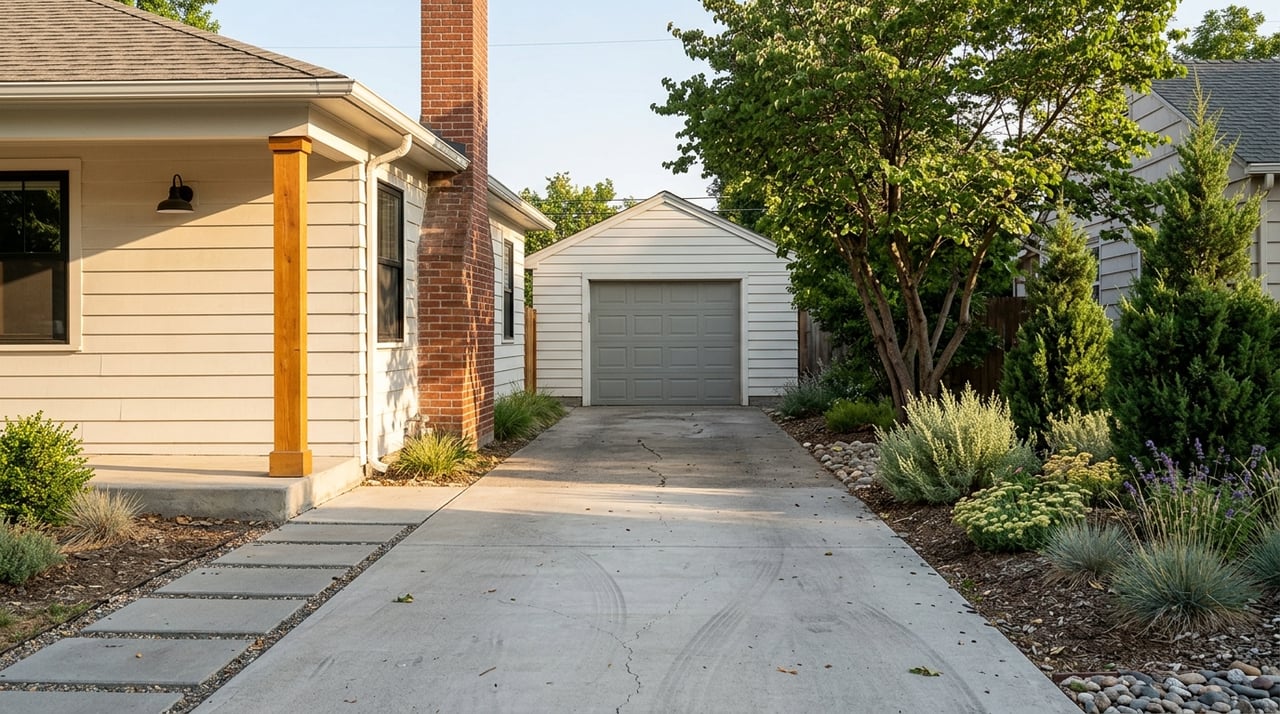
If you are drawn to places with visible history, Old Town may stand out right away. The appeal here is not sameness. It is character, variety, and the kind of setting that grew over time instead of being built all at once.
That can be a real plus if you want something with personality. It can also mean that each property deserves a closer look because homes, lots, parking setups, and improvements may differ more than they would in a newer subdivision.
Lot Sizes Vary More in Old Town
One of the biggest differences in Old Town is the parcel pattern. Lyon County parcel records in the Dayton Town subdivision show a wide range of lot sizes, including parcels around 0.05 acre, 0.115 acre, 0.14 acre, 0.20 acre, and 0.35 acre.
For you as a buyer, that means it is smart to evaluate each home individually. Yard space, storage options, access, and parking should be confirmed property by property rather than assumed from the street view or from nearby homes.
Renovation and Maintenance Expectations
Historic-core homes often require more maintenance judgment than newer homes. Because of the age, layout, and varied lot pattern in Old Town, renovation scope can differ quite a bit from one property to the next.
The best way to approach an Old Town purchase is with an inspection-first mindset. Instead of assuming every older home will need major work, or none at all, you will want to verify condition, improvements, and functionality based on the specific property.
Newer Dayton Neighborhoods at a Glance
Dayton’s newer neighborhoods were generally built as planned residential areas rather than through the piecemeal growth you see in a historic district. That tends to create a more standardized feel, with clearer lot layouts, more consistent streetscapes, and amenities designed into the neighborhood from the start.
County planning records show this pattern clearly. Gold Country Estates phases included single-family lots with sizes ranging from about 6,018 to 9,098 square feet in one phase, and a minimum parcel size of 5,489 square feet in another.
What Newer Neighborhoods Offer
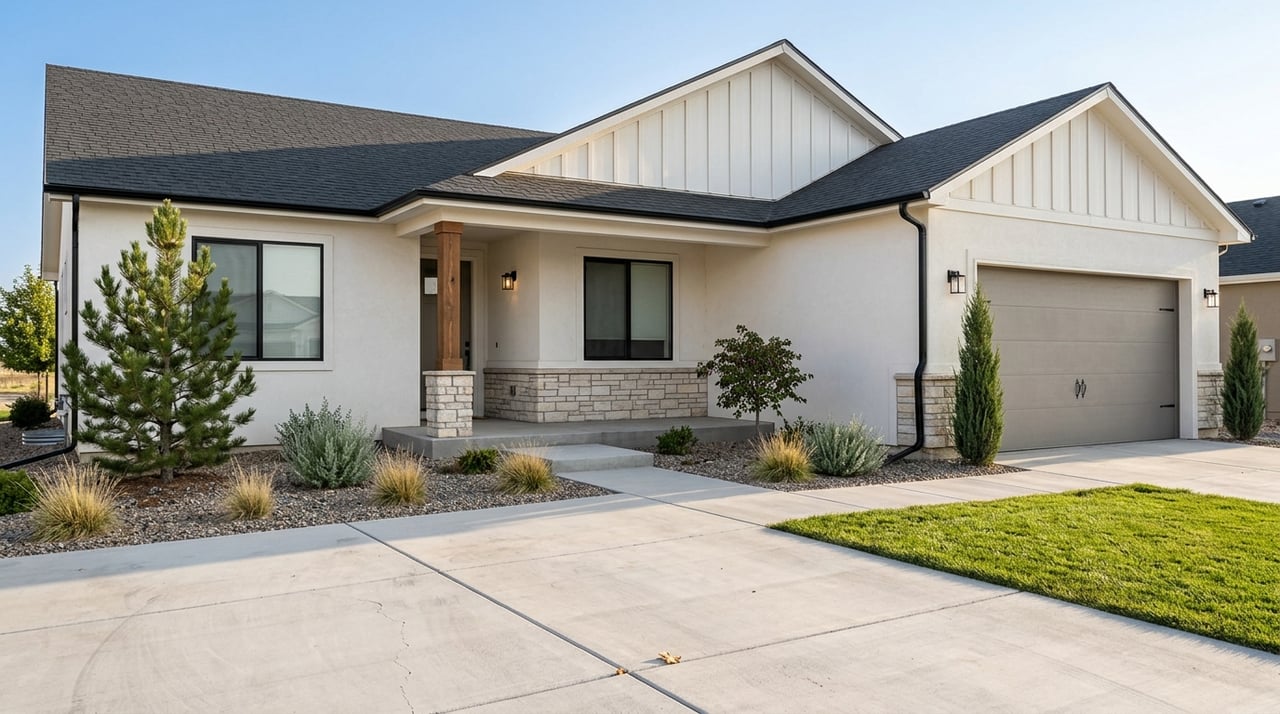
If you want a home that feels more turnkey, newer Dayton neighborhoods may be the better fit. Current builder offerings in Dayton highlight features like two-car garages, larger homesites in some phases, and immediate or near-term move-in options.
For example, current community materials for Gold Sky and Woodbridge describe single-family homes, garage options, and neighborhood amenities such as parks and multi-use trails. These details give buyers a clearer picture of what to expect in newer construction communities.
More Predictable Lots and Garages
A major practical advantage of newer neighborhoods is predictability. In many cases, lot size ranges, garage count, and community features are easier to verify because they are part of the subdivision plan or builder offering.
That does not mean every home is identical. Some phases include townhome or row-house style parcels in addition to detached single-family homes, so it is still important to compare communities and even specific phases within the same neighborhood.
Growth Is Still Ongoing
Newer Dayton neighborhoods are not just established areas. They are also part of Dayton’s continuing growth story. County materials for projects like Traditions North describe planned single-family homes, open space, neighborhood parks, pocket parks, and trails.
That matters because your home search is not only about what exists today. It is also about how an area may continue to develop around recreation, circulation, and neighborhood design over time.
Parks, Services, and Daily Routine
Where you live in Dayton can shape your day-to-day routine. The historic core and newer neighborhoods both have access to community amenities, but they offer a different rhythm.
In and around the core, county resources identify places like the Dayton Museum, Dayton Community Center, Dayton Library, and other civic buildings. In newer neighborhoods, park amenities include places such as Patriot Park, Rolling A Open Space, Santa Maria Ranch Park, and Santa Maria Aquatic Park.
Outdoor Access Across Dayton
No matter which side of Dayton you prefer, outdoor recreation is part of the picture. Dayton State Park covers 160 acres along the Carson River and includes the Rock Mill site, making it an important shared amenity for the broader community.
Lyon County’s planning documents also show that parks, sidewalks, sports fields, playgrounds, and trail connections are expected to be part of new residential growth. That is a useful signal if you value connected neighborhoods and nearby recreation.
Old Town vs. Newer Neighborhoods
Here is a simple way to think about the comparison:
| Feature | Old Town Dayton | Newer Dayton Neighborhoods |
|---|---|---|
| Overall character | Historic, established, varied | Planned, newer, more standardized |
| Lot pattern | Irregular and property-specific | More predictable by phase |
| Home condition | Varies widely, often needs closer evaluation | Often newer and more move-in ready |
| Garage and parking | Should be verified home by home | Usually clearer in builder or subdivision plans |
| Neighborhood growth | Finite, established core | Still expanding in some areas |
| Nearby amenities | Historic and civic destinations | Parks, trails, and planned open space |
Which Type of Buyer Fits Each Area?
Old Town often fits buyers who care most about atmosphere, history, and individuality. If you do not mind doing more homework on lot layout, home condition, and parking, the historic core can offer a distinct sense of place.
Newer neighborhoods often fit buyers who want easier comparison shopping. If you are looking for newer construction, more consistent yards, and clearer garage options, these communities may align better with your priorities.
Questions to Ask Yourself
Before you decide, ask yourself:
- Do you want historic character or a more modern neighborhood layout?
- How comfortable are you with potential renovation or maintenance projects?
- Is garage space a must-have for your household?
- Do you prefer an established core or an area still adding new homes and amenities?
- How important are parks, trails, and newer community features in your daily routine?
Your answers can narrow your search quickly and save time when new listings hit the market.
How to Shop Smart in Dayton
If you are serious about buying in Dayton, it helps to compare homes through the lens of fit, not just price. A lower-maintenance newer home may be the right move for one buyer, while another may gladly trade that convenience for the charm and variety of Old Town.
A strong search plan usually starts with the basics:
- Verify lot size and parcel layout
- Confirm garage and parking details
- Review condition and likely maintenance items
- Compare access to parks, civic services, and major roads
- Look at the surrounding neighborhood pattern, not just the house itself
That kind of side-by-side comparison can make your decision much clearer.
If you want help sorting through Dayton neighborhoods, comparing listings, or building a focused home search in Northern Nevada, connect with Hadley Faught. You will get practical local guidance, responsive support, and a clearer path to the right home.
FAQs
What is the difference between Old Town Dayton and newer Dayton neighborhoods for homebuyers?
- Old Town Dayton offers a more historic setting with varied lot sizes and older homes, while newer Dayton neighborhoods usually offer more standardized lots, clearer garage options, and newer construction features.
Do Old Town Dayton homes usually need renovations?
- It varies by property, so the best approach is to evaluate each home through inspections and property-specific review rather than assume a standard level of renovation.
Are lot sizes smaller in Old Town Dayton?
- Old Town lot sizes can be smaller and more irregular, with county records showing a wide range of parcel sizes, so each property should be reviewed individually.
Do newer Dayton neighborhoods only have detached single-family homes?
- No. Some newer phases in Dayton include townhome or row-house style parcels in addition to detached single-family homes.
Which Dayton area is better for garage space?
- Newer neighborhoods often provide clearer garage details in builder plans, while garage and parking arrangements in Old Town should be verified for each home.
Are parks and trails part of newer Dayton neighborhoods?
- Yes. County planning materials show that parks, open space, sidewalks, and trail connections are part of how newer residential growth is being planned in Dayton.